
What Is Lubrication?
Feb 23, 2026
lubrication meaning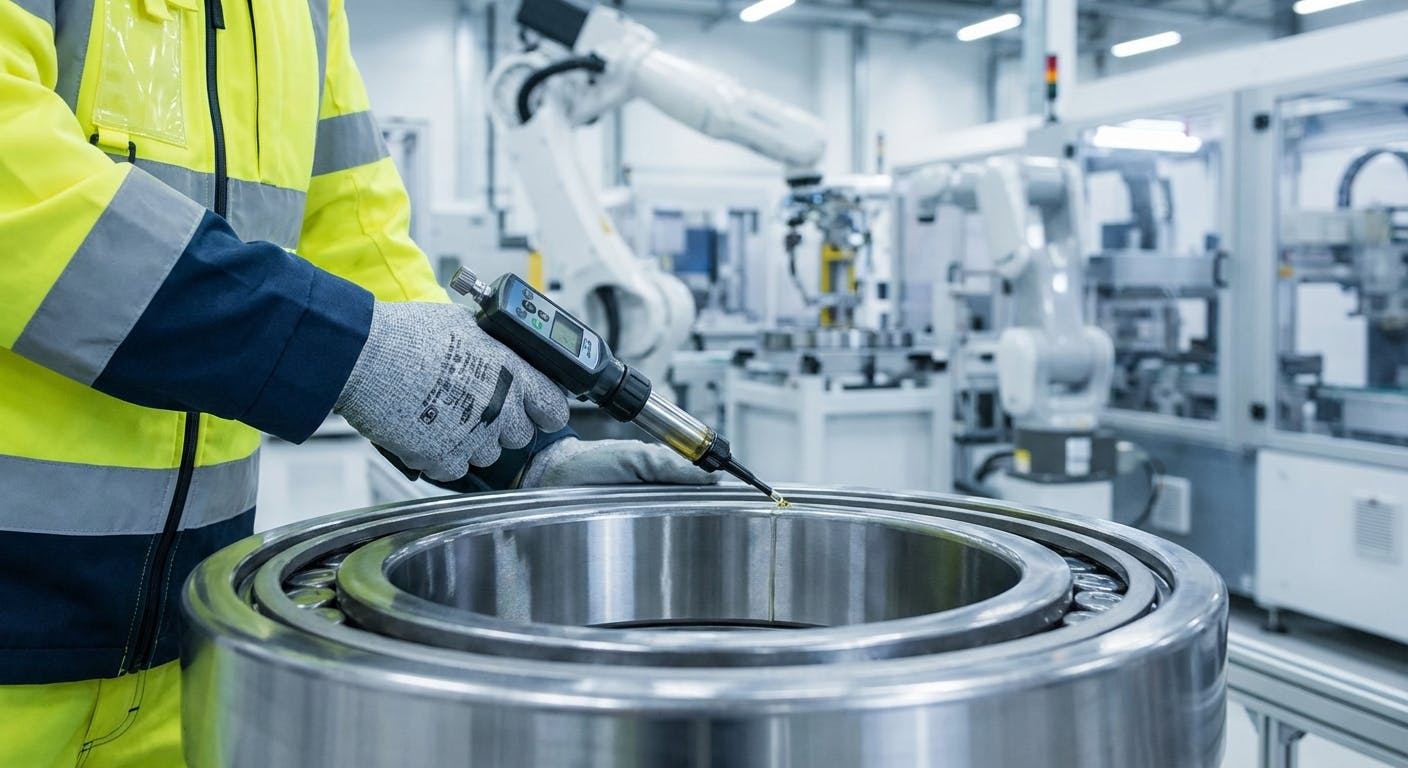
Lubrication is the process or technique of using a substance—known as a lubricant—to reduce friction and wear between two surfaces in relative motion. In an industrial context, lubrication is a strategic reliability function that involves the application of oils, greases, or solid films to minimize heat generation, prevent corrosion, and protect mechanical components from premature failure.
The Strategic Meaning of Lubrication
In modern manufacturing and facility management, the meaning of lubrication has evolved from a simple maintenance task to a "Strategic Reliability Asset." It is no longer just about "oiling a machine"; it is about Tribology—the science of interacting surfaces in relative motion. Effective lubrication management is governed by the "5 Rights": ensuring the Right lubricant reaches the Right place, at the Right time, in the Right quantity, and with the Right method.
When these five pillars are ignored, friction increases, leading to mechanical stress and the generation of wear debris. Conversely, a precision lubrication program acts as a cooling agent and a sealant, flushing out contaminants and maintaining the structural integrity of critical components like bearings, gears, and pistons.
Key Concepts in Industrial Lubrication
To understand the full scope of lubrication meaning, professionals must recognize the different regimes of film thickness:
- Boundary Lubrication: Occurs when the lubricant film is too thin to prevent surface-to-surface contact. This often happens during startup or shutdown, requiring Additive Packages (such as Anti-Wear or Extreme Pressure agents) to protect the metal.
- Hydrodynamic Lubrication: The ideal state where a full fluid film completely separates two surfaces, common in high-speed rotating equipment.
- Elastohydrodynamic Lubrication (EHL): A specialized state where the lubricant film is compressed under extreme pressure, momentarily increasing the Viscosity Index to support heavy loads, typically seen in rolling-element bearings.
In 2026, the industry has shifted toward "Fluid Intelligence." This involves Oil Analysis and Wear Debris Analysis to monitor the health of the lubricant and the machine simultaneously. By analyzing the chemical composition of the base oil stock and the presence of microscopic metal particles, maintenance teams can predict failures before they occur. According to the National Institute of Standards and Technology (NIST), advancements in tribology and precision lubrication continue to save the global manufacturing sector billions in energy and replacement costs.
Learn more
For a deeper dive into how lubrication integrates with modern asset management and reliability strategies, explore the following resources:
- Optimize your lubrication schedules with PM procedures and checklists.
- Understand the impact of lubrication on predictive maintenance for bearings.
- Leverage AI-driven predictive maintenance to monitor fluid health in real-time.
- Streamline your lubrication routes using equipment maintenance software.
