
What Is Depreciation?
Feb 23, 2026
define depreciation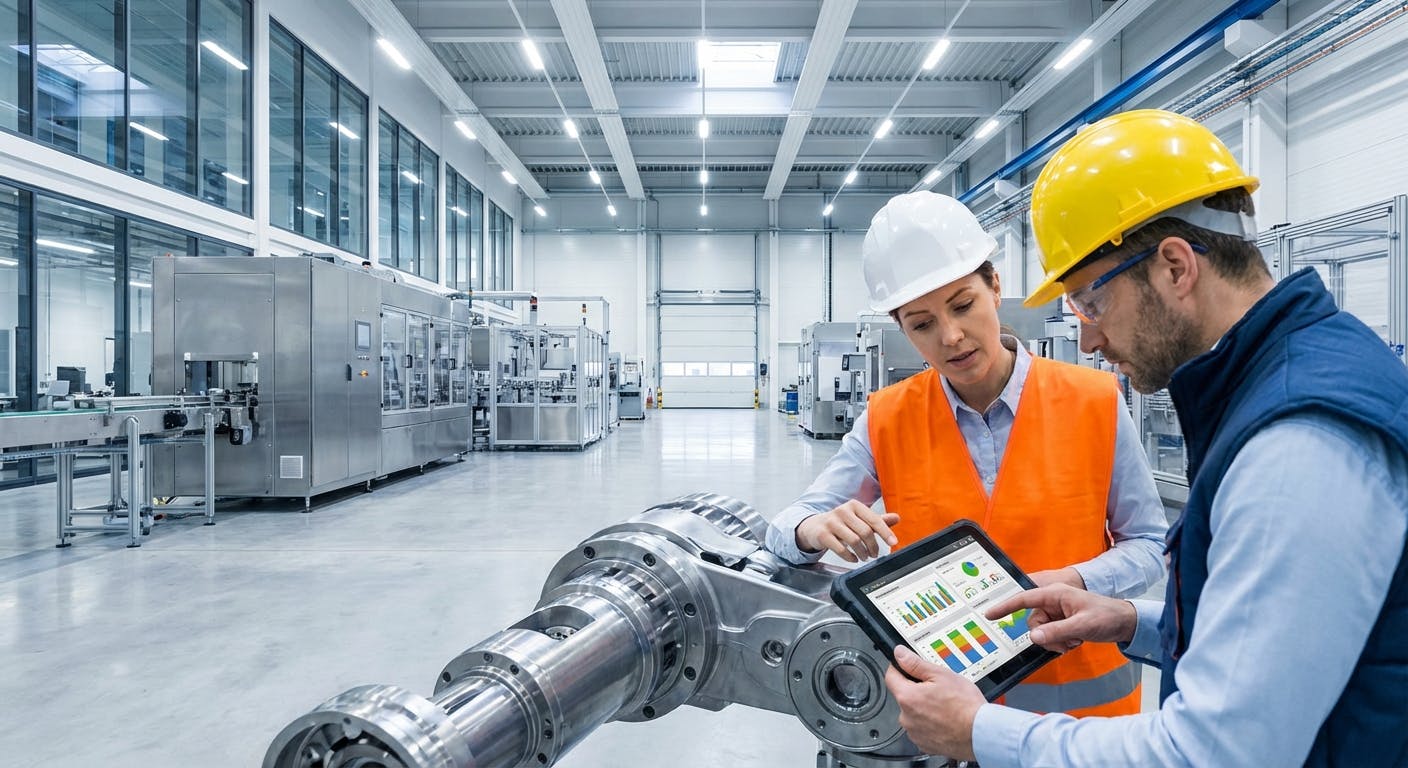
Depreciation is the systematic allocation of the cost of a tangible industrial asset over its estimated useful life. In the context of manufacturing and facility management, it represents the reduction in an asset’s value due to wear and tear, age, or obsolescence, allowing businesses to match the expense of a machine to the revenue it generates over time.
The Industrial Context of Depreciation
For maintenance managers and industrial decision-makers in 2026, depreciation is more than a line item on a balance sheet; it is a critical component of Asset Lifecycle Management (ALM). While accountants use depreciation for tax advantages and financial reporting, operational teams view it as a measure of "consumed utility." In heavy industry, assets like CNC machines, hydraulic presses, and conveyor systems represent significant Capital Expenditure (CAPEX). Depreciation allows a firm to recover these costs over years of production, rather than impacting the profit and loss statement entirely in the year of purchase.
Understanding depreciation is essential for determining the "Maintenance Alpha"—the value generated by superior maintenance strategies. When a facility utilizes advanced monitoring to keep equipment in peak condition, they can often extend the "useful life" of the asset beyond its original accounting estimate. This creates a gap between the "book value" (the asset's cost minus accumulated depreciation) and its actual operational value, providing a competitive edge in total cost of ownership (TCO).
Key Depreciation Terms
To fully grasp the concept, industrial leaders must be familiar with several related financial mechanisms:
- Straight-Line Depreciation: The simplest method, where the value of the asset is reduced by an equal amount every year until it reaches its salvage value.
- Salvage Value (Residual Value): The estimated amount an organization expects to receive at the end of an asset's useful life after all depreciation has been accounted for.
- MACRS (Modified Accelerated Cost Recovery System): The current tax depreciation system in the United States, which allows for faster depreciation in the early years of an asset's life. You can find detailed recovery period tables via the IRS.
- Accumulated Depreciation: The total amount of depreciation expense that has been recorded against an asset since it was put into service.
- Units of Production Method: A depreciation method that allocates cost based on how much the machine is actually used (e.g., cycles or hours) rather than just the passage of time. This is often the most accurate reflection of wear for high-output industrial components.
Strategic Implications for 2026
In modern smart factories, the intersection of depreciation and maintenance is where profitability is won. If an asset depreciates too quickly due to poor lubrication or vibration issues, the company loses its CAPEX investment prematurely. Conversely, by integrating real-time data into financial planning, organizations can shift from reactive "run-to-fail" models to strategies that preserve the physical integrity of the asset, thereby maximizing the return on every dollar spent on equipment.
Learn more
To better understand how to manage your industrial assets and mitigate the impact of physical depreciation, explore these in-depth resources:
- Implement robust asset management to track the lifecycle and value of your machinery.
- Reduce the rate of physical wear and tear through equipment maintenance software.
- Extend the useful life of your most critical assets using AI predictive maintenance.
- Optimize your maintenance schedules to preserve book value with preventative maintenance solutions.
