
What is CapEx (Capital Expenditure)?
Feb 18, 2026
define capex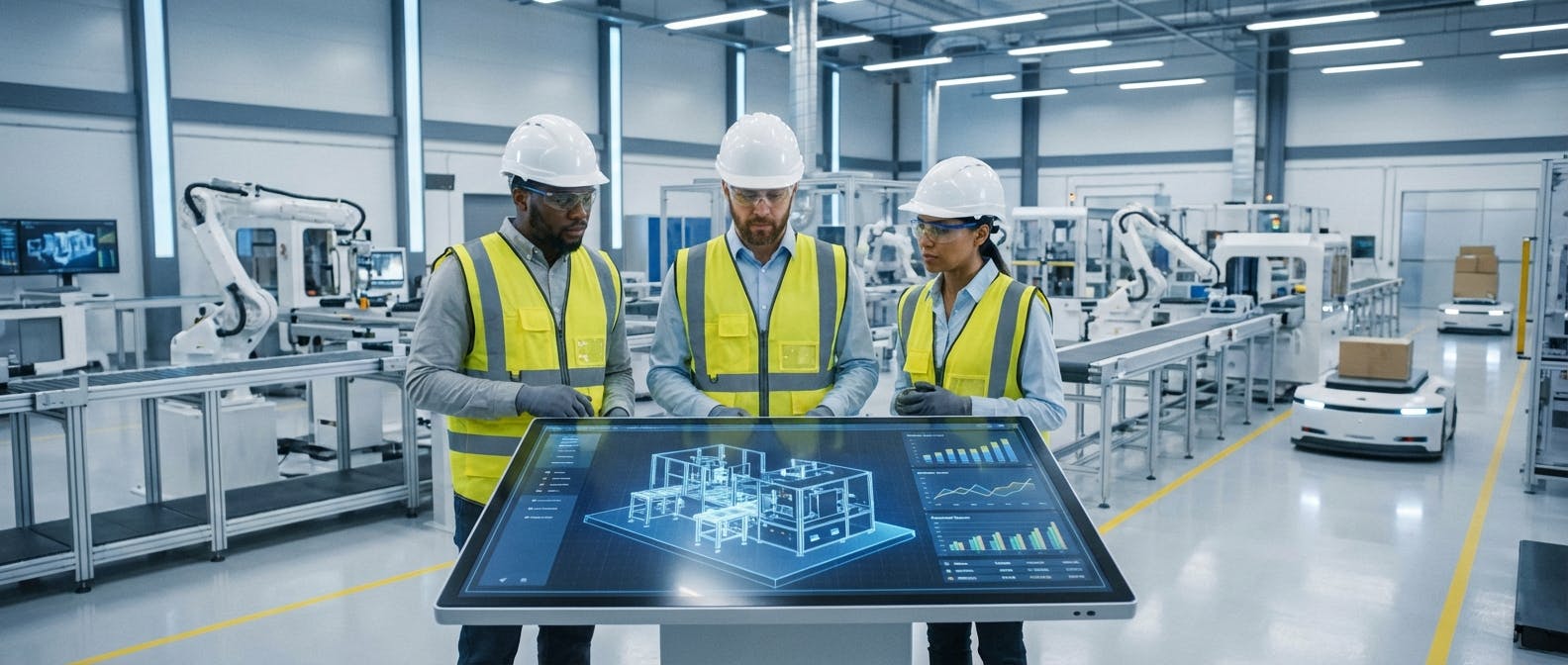
CapEx, or Capital Expenditure, refers to the funds an organization uses to acquire, upgrade, and maintain physical assets such as Property, Plant, and Equipment (PP&E). In an industrial context, CapEx represents a long-term investment in a facility’s productive capacity, where the cost is capitalized on the balance sheet and recovered over time through depreciation and amortization.
The Strategic Role of CapEx in Maintenance
For maintenance managers and facility operators in 2026, CapEx is more than just a line item on a budget; it is a tool for strategic asset management. While routine repairs are typically categorized as Operating Expenditure (OpEx), any intervention that extends the useful life of a machine or improves its original performance is often classified as CapEx.
Understanding this distinction is vital when communicating with financial stakeholders. When a maintenance leader proposes a shift from reactive repairs to a comprehensive AI predictive maintenance strategy, they are often making a CapEx case. This "CFO Whisperer" approach focuses on how initial capital outlays reduce the Total Cost of Ownership (TCO) and improve the Internal Rate of Return (IRR) by preventing catastrophic failures and extending the asset lifecycle.
CapEx vs. OpEx: The Critical Distinction
The primary difference between CapEx and OpEx lies in the timing of the tax deduction and the nature of the expense. OpEx covers the day-to-day costs of keeping a business running—such as utility bills, minor repair parts, and labor. These are fully deducted in the year they occur.
In contrast, CapEx involves significant investments that provide value for more than one tax year. For example, purchasing new equipment maintenance software or replacing a fleet of industrial pumps are capital expenditures. These assets are depreciated over several years, allowing the company to spread the cost of the investment across the asset's functional life. According to standards provided by NIST, optimizing these investments requires a deep understanding of the technical and economic life of the equipment.
Capital Budgeting and Asset Lifecycle
In modern manufacturing, CapEx decisions are driven by data. Maintenance teams use CMMS software to track the performance of fixed assets and determine the optimal point for replacement. By analyzing Net Present Value (NPV) and the historical cost of maintenance, managers can justify capital budgeting requests that replace aging, inefficient machinery with modern, automated solutions. This ensures that capital is allocated to the assets that provide the highest reliability and production output, rather than simply "patching" equipment that has reached the end of its economic viability.
Learn more
To deepen your understanding of how to manage capital assets and optimize your maintenance budget, explore these detailed guides:
- Mastering the asset management lifecycle for industrial equipment.
- How to justify AI predictive maintenance as a strategic capital investment.
- The role of CMMS software in tracking depreciation and asset health.
- Selecting the right equipment maintenance software to improve your facility's TCO.
