
What Is a Capital Expense (CapEx)?
Feb 18, 2026
what is a capital expense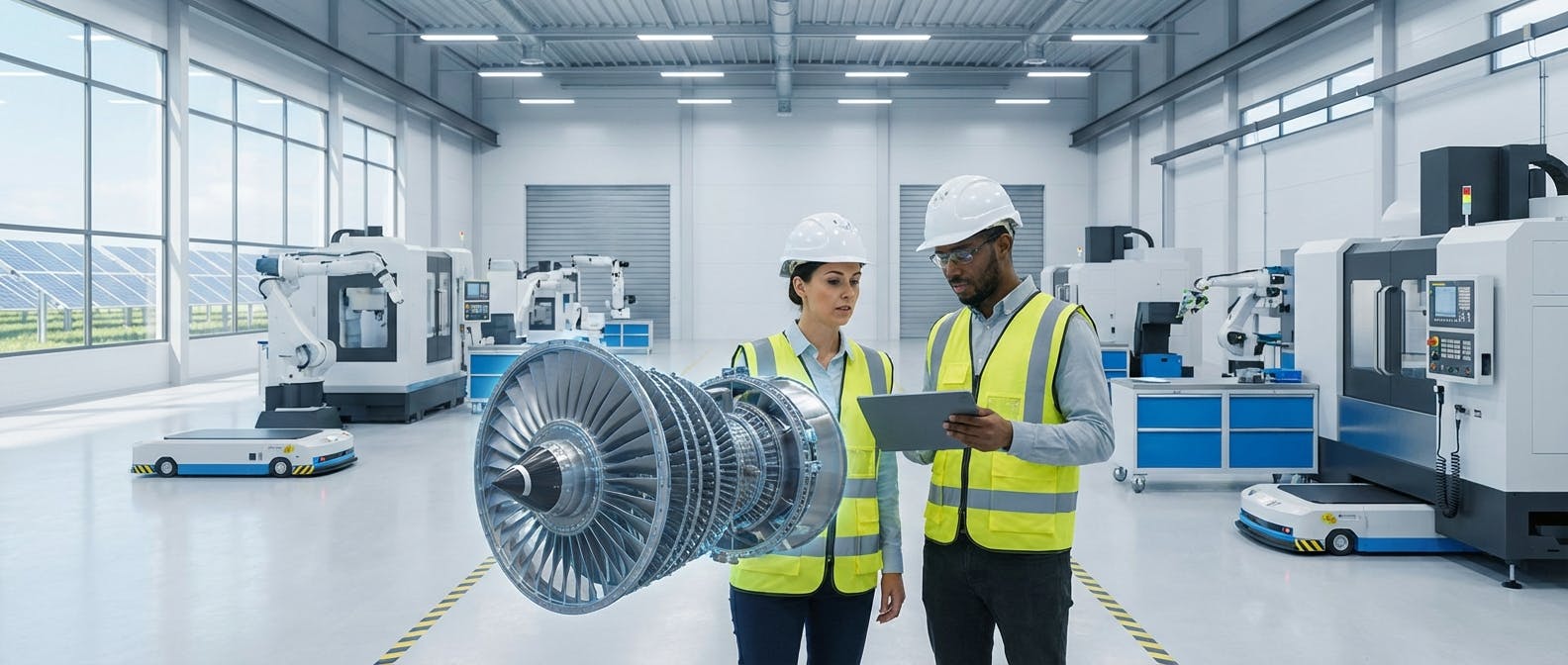
A capital expense (CapEx) is a payment made by a company to acquire, upgrade, or extend the useful life of a long-term physical asset, such as industrial machinery, production facilities, or heavy equipment. Unlike operational expenses (OpEx), which are deducted from income immediately, capital expenses are capitalized on the balance sheet and recovered over the asset's "useful life" through depreciation schedules.
The Strategic Role of CapEx in Maintenance
In the industrial and manufacturing sectors, capital expenses are the primary vehicle for Strategic Asset Lifecycle Management. For maintenance managers and facility operators, CapEx is not merely a line item for new purchases; it is a financial tool used to improve the Total Cost of Ownership (TCO). When a maintenance team decides to overhaul a critical pump system rather than performing a routine repair, they are often moving the cost from an operational budget to a capital budget.
To qualify as a capital expense under IRS Tangible Property Regulations, the expenditure typically must result in a "betterment," a "restoration," or an "adaptation" (the BRA framework) of the unit of property. By 2026, the integration of high-fidelity data from industrial sensors has made it easier for managers to justify these expenses to the CFO by providing clear evidence of "Useful Life Extension."
CapEx vs. OpEx: The CFO Whisperer’s Perspective
Understanding the distinction between CapEx and OpEx is vital for industrial decision-makers. OpEx covers the day-to-day costs of keeping the plant running—think lubricants, minor spare parts, and hourly labor. CapEx, however, involves significant investments that provide value for years to come.
Maintenance leaders who act as "CFO Whisperers" use CapEx strategically to:
- Optimize Depreciation Schedules: Leveraging straight-line or accelerated depreciation to align with the company’s tax strategy.
- Utilize IRS Section 179: Taking advantage of immediate expensing for certain equipment purchases to improve short-term cash flow.
- Reduce Long-term Risk: Replacing aging infrastructure before it reaches a "run-to-fail" state, which would otherwise incur massive OpEx costs in emergency repairs and lost production.
Betterments, Restorations, and Adaptations (BRA)
To accurately categorize a capital expense, industrial teams use the BRA framework:
- Betterments: Expenses that correct a defect, increase the quality or strength of an asset, or expand its capacity.
- Restorations: Costs incurred to return an asset to its proper working condition after it has fallen into disrepair or reached the end of its life cycle.
- Adaptations: Expenses paid to modify an asset for a new or different use than its original intended purpose.
By tracking these categories within a centralized system, organizations can ensure they are maximizing their asset ROI while remaining compliant with modern accounting standards.
Learn more
- Optimize your long-term investment strategy with Asset Management tools.
- Track every capital improvement and restoration using CMMS Software.
- Justify CapEx upgrades by proving asset decline through AI Predictive Maintenance.
- Manage the full lifecycle of your facility’s hardware with Equipment Maintenance Software.
