
Refurbish Definition: Industrial Asset Life Extension
Feb 18, 2026
refurbish meaning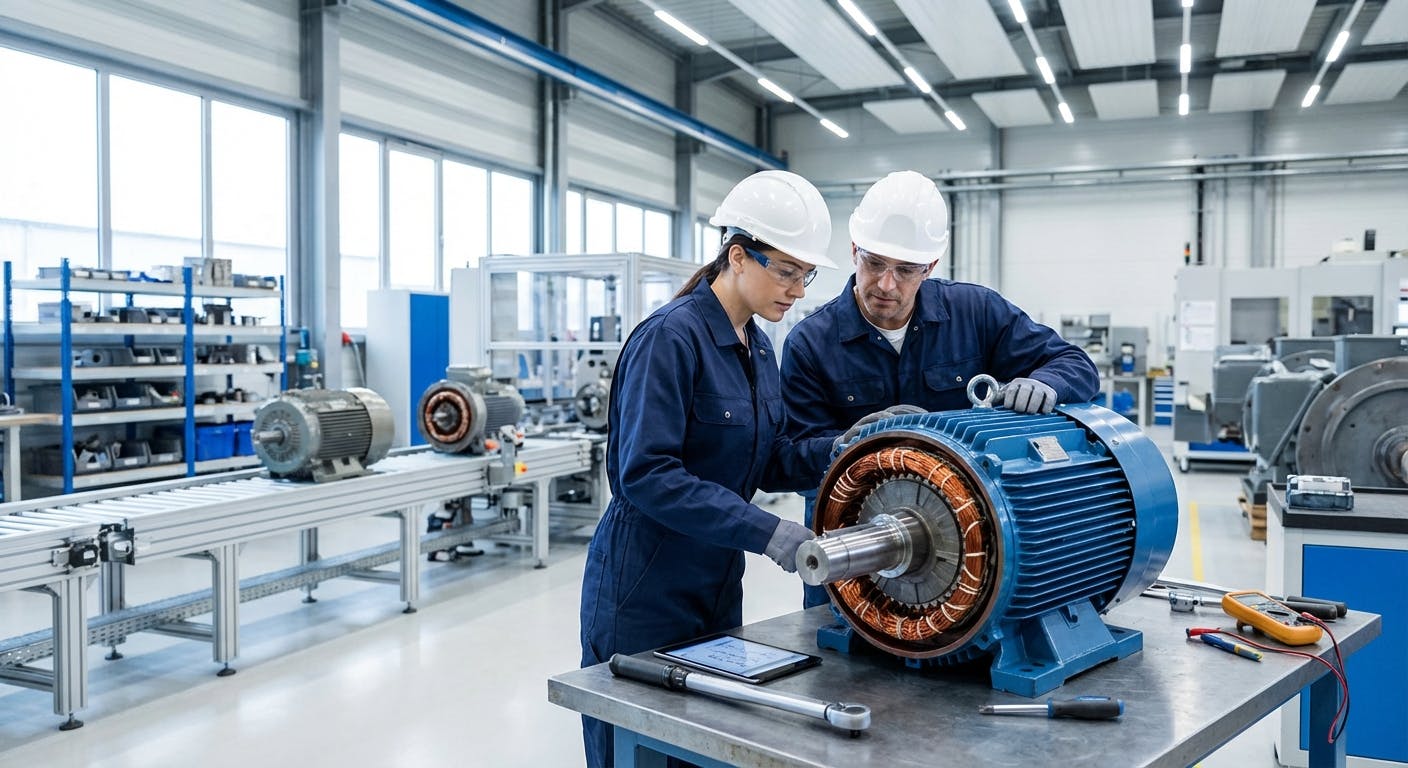
In an industrial context, to refurbish means to return a piece of equipment or a mechanical asset to a functional, "like-new" condition through a systematic process of inspection, cleaning, repair, and component replacement. Unlike a simple repair, which addresses a specific point of failure, refurbishment is a comprehensive overhaul designed to extend the asset’s lifecycle and restore its original performance specifications.
The Strategic Role of Refurbishment
For maintenance managers and facility operators in 2026, refurbishment is a cornerstone of a sophisticated MRO (Maintenance, Repair, and Operations) strategy. It serves as a middle ground between routine preventive maintenance and the high capital expenditure (CAPEX) required for full asset replacement. By opting for refurbishment, organizations can significantly lower their Total Cost of Ownership (TCO) and improve their Mean Time Between Failures (MTBF) without the lead times associated with sourcing new machinery.
In the "Industrial Refurbishment Playbook," the process is typically triggered by Condition-Based Maintenance (CBM) data or reaching a specific milestone in the asset's depreciation schedule. When an asset’s performance begins to degrade—but the core structure remains sound—refurbishment allows the plant to reset the "maintenance clock." This is particularly vital for heavy-duty assets like conveyors, motors, and pumps, where the cost of the housing and infrastructure outweighs the cost of replacing internal wear parts.
Refurbishment vs. Remanufacturing
It is critical to distinguish refurbishing from remanufacturing. While refurbishing restores an item to its original working order using a mix of new and used parts, remanufacturing often involves a complete teardown and may include upgrades to meet current technological standards. Refurbishment is generally more cost-effective and faster to execute, focusing on reliability and functional restoration rather than a total redesign.
From a financial perspective, refurbishment is often categorized under Operating Expenses (OPEX), providing tax advantages and budget flexibility compared to the CAPEX required for new acquisitions. Furthermore, in an era of heightened sustainability, refurbishing supports the circular economy by reducing industrial waste and the carbon footprint associated with manufacturing new heavy equipment.
The Refurbishment Workflow
A standard industrial refurbishment follows a strict protocol:
- Decontamination and Cleaning: Removing industrial buildup to inspect the substrate.
- Detailed Inspection: Using non-destructive testing to identify fatigue or hairline fractures.
- Component Replacement: Swapping out bearings, seals, and sensors with OEM or high-quality equivalents.
- Calibration and Testing: Ensuring the asset meets original tolerances and output requirements.
Learn more
To integrate refurbishment into your broader maintenance strategy, explore these specialized resources:
- Standardize your overhaul workflows and documentation with PM procedures.
- Determine the optimal window for asset restoration using AI predictive maintenance.
- Track the lifecycle and depreciation of your fleet through comprehensive asset management software.
- Manage the parts and labor required for large-scale overhauls using equipment maintenance software.
For further reading on international standards for asset reliability and maintenance terminology, refer to the National Institute of Standards and Technology (NIST).
