
What Is Servicing?
Feb 19, 2026
what is servicing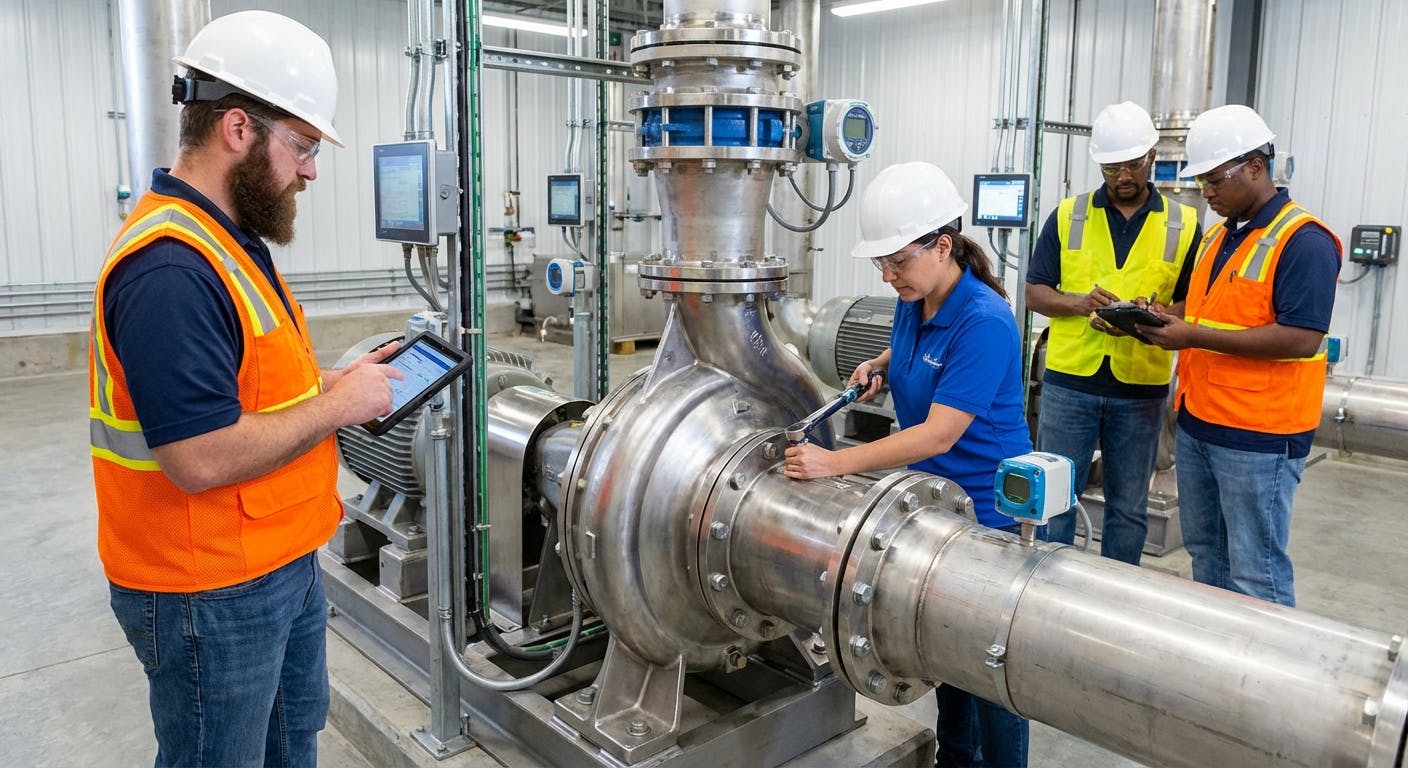
Servicing is the systematic process of inspecting, adjusting, cleaning, and maintaining industrial equipment to ensure it operates according to original specifications and safety standards. In a maintenance context, servicing refers to all proactive actions taken to prevent asset failure, optimize performance, and extend the functional lifespan of machinery.
The Strategic Shift: Servicing as a Profit Center
In modern industrial environments, servicing is no longer viewed as a "necessary evil" or a drain on the balance sheet. Instead, it is recognized as a strategic profit center. By prioritizing Asset Lifecycle Management, organizations can shift from a reactive "run-to-fail" mentality to a proactive stance that maximizes uptime. Effective servicing reduces the Total Cost of Ownership (TCO) by preventing catastrophic failures that result in expensive emergency repairs and lost production revenue.
When servicing is executed correctly, it directly impacts Mean Time Between Failure (MTBF). By adhering to Original Equipment Manufacturer (OEM) Guidelines and implementing Standard Operating Procedures (SOPs), facility operators ensure that every bolt is tightened and every bearing is greased at the optimal interval. This precision maintenance prevents the micro-wear that eventually leads to macro-failures, keeping the production line moving and protecting the company's bottom line.
Core Components of Industrial Servicing
Comprehensive servicing involves several layers of technical intervention:
- Preventive Maintenance (PM): Scheduled tasks performed based on time or usage triggers to keep equipment in good working order.
- Lubrication Management: The precise application of lubricants to reduce friction and heat, which are the primary enemies of mechanical longevity.
- Condition-Based Monitoring (CBM): Using sensors to monitor variables like vibration and temperature, allowing servicing to occur only when the equipment's condition warrants it.
- Total Productive Maintenance (TPM): A holistic approach where operators take daily responsibility for the basic servicing of their own equipment, fostering a culture of shared asset ownership.
By 2026, the integration of Field Service Management (FSM) software and AI has transformed servicing from a manual checklist into a data-driven discipline. Maintenance managers now use real-time data to refine their Planned Maintenance Optimization (PMO) strategies, ensuring that resources are never wasted on unnecessary tasks while critical components never miss a service window. According to the National Institute of Standards and Technology (NIST), advanced maintenance strategies can significantly reduce manufacturing costs and improve global competitiveness.
Related Terms
Preventive Maintenance (PM)
A proactive maintenance strategy where tasks are performed at regular intervals to decrease the likelihood of equipment failure. It is the foundational element of any robust servicing program.
Mean Time Between Failure (MTBF)
A key performance indicator (KPI) that measures the predicted elapsed time between inherent failures of a mechanical or electronic system during normal system operation. High-quality servicing directly correlates to a higher MTBF.
Learn more
To deepen your understanding of how to implement world-class servicing and asset care, explore these comprehensive guides:
