
What Is Refurbishment?
Feb 19, 2026
define refurbish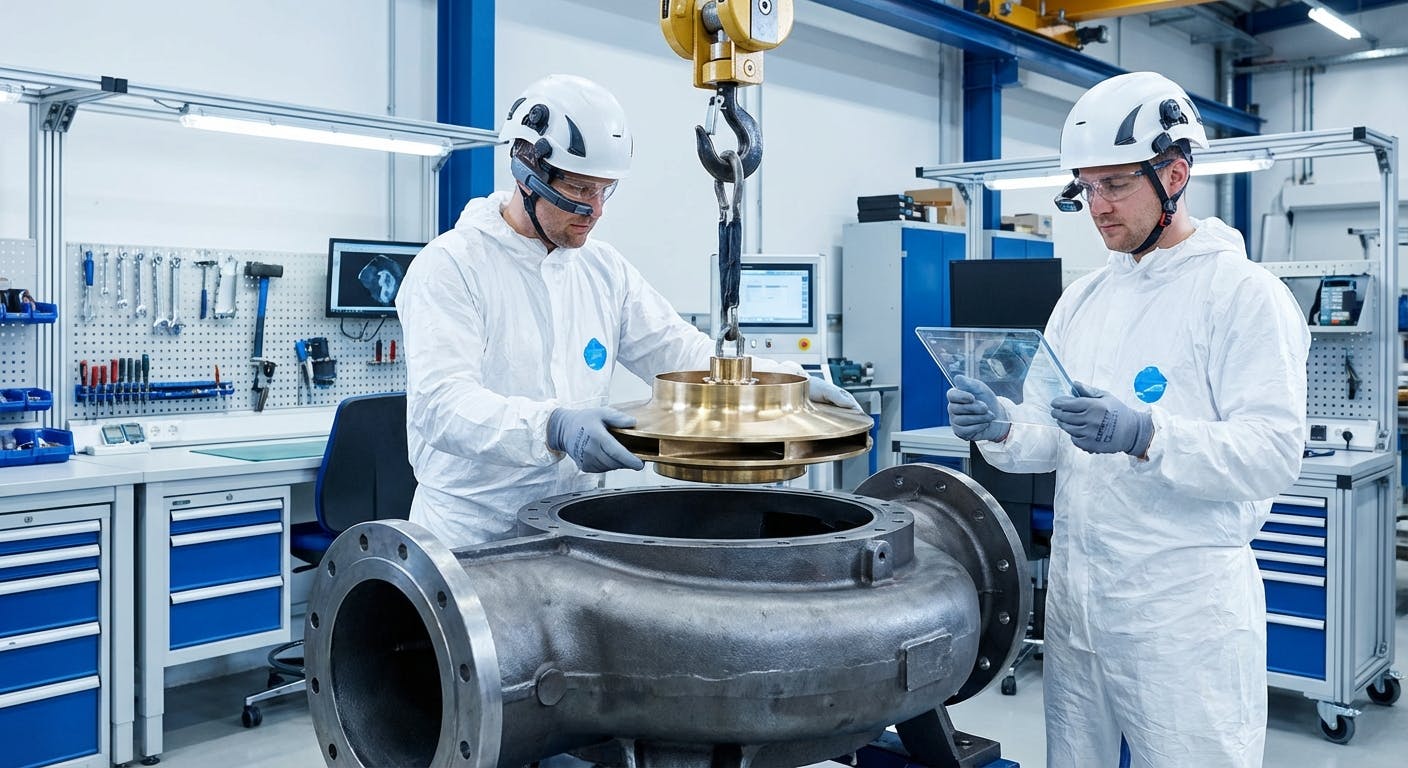
Refurbishment is the systematic process of returning an industrial asset to a functional, reliable, and "like-new" state through comprehensive inspection, cleaning, and the replacement of worn or outdated components. In a maintenance and manufacturing context, refurbishment serves as a strategic intervention designed to reset an asset's wear cycle, thereby extending its service life without the total cost of a new equipment purchase.
The Strategic Role of Refurbishment
For maintenance managers and facility operators in 2026, refurbishment is a critical component of Asset Lifecycle Management. Rather than allowing a machine to run to failure or replacing it prematurely, a scheduled refurbishment allows an organization to capture the remaining value of the "core" (the heavy structural frame or casing) while updating the internal "wear parts" and electronics. This approach directly impacts the bottom line by shifting costs from Capital Expenditure (CAPEX) to Operating Expense (OPEX), providing a more flexible budget model for aging facilities.
From a technical perspective, refurbishment is often triggered when the Mean Time Between Failures (MTBF) begins to decline, signaling that routine Preventive Maintenance (PM) is no longer sufficient to ensure uptime. By performing a major overhaul, plants can integrate modern sensors and components, effectively "upcycling" older machinery to meet current production standards.
Refurbishment vs. Remanufacturing vs. Repair
It is essential to distinguish refurbishment from similar industrial terms:
- Repair: A reactive measure to fix a specific fault and return the asset to service. It does not necessarily extend the overall life of the machine.
- Refurbishment: A proactive, mid-life intervention that replaces all high-wear components and restores the asset to a specific performance standard, often involving aesthetic and functional upgrades.
- Remanufacturing: The most intensive process, where an asset is completely stripped down to the nuts and bolts and rebuilt to the Original Equipment Manufacturer (OEM) specifications, often including a new serial number and warranty.
The Industrial Refurbishment Framework
A standard industrial refurbishment follows a rigorous four-stage framework:
- Condition Assessment: Using diagnostic data and physical inspection to determine the viability of the restoration.
- Disassembly and Cleaning: Breaking the unit down to its base components to identify hidden fatigue or corrosion.
- Restoration and Upgrade: Replacing bearings, seals, and gaskets, and often upgrading controls or software to improve energy efficiency.
- Verification Testing: Subjecting the refurbished asset to load tests and performance benchmarks to ensure it meets original operational parameters.
Learn more
To maximize the ROI of your asset restoration strategy, explore these in-depth resources:
- Standardize your restoration workflows and quality checks using digital PM procedures.
- Track the entire lifecycle and MTBF of your restored assets within a centralized CMMS software platform.
- Ensure you have the necessary critical spares on hand for major overhauls with inventory management tools.
- Integrate your refurbishment schedule into a broader asset management strategy to optimize long-term CAPEX planning.
