
What is Industrial Automation?
Feb 23, 2026
automation def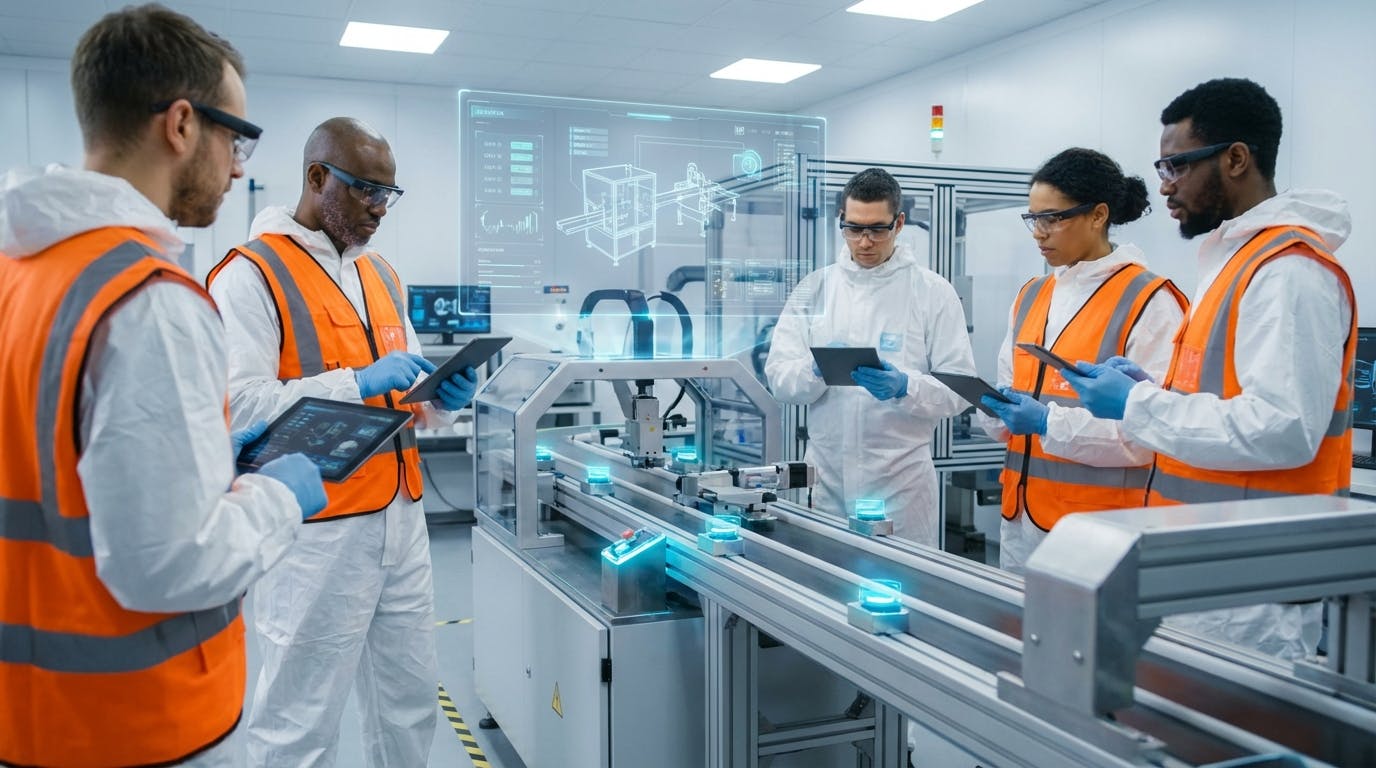
Automation is the strategic application of technology, control systems, and data-driven software to execute industrial processes with minimal human intervention. In the modern landscape of Maintenance 4.0, it encompasses the integration of hardware, such as sensors and robotics, with intelligent software to optimize production cycles, enhance precision, and ensure asset reliability.
The Strategic Context of Maintenance 4.0
For industrial leadership in 2026, automation is no longer defined simply by "machines doing manual work." Instead, it is viewed through the lens of Maintenance 4.0, where the focus shifts from basic mechanical automation to intelligent, self-correcting systems. In this context, automation serves as the bridge between the physical shop floor and digital decision-making. By utilizing the Industrial Internet of Things (IIoT), facilities can capture real-time data from equipment, allowing for a level of operational visibility that was previously impossible.
Strategic automation allows maintenance managers to move away from reactive "run-to-fail" models. When automation is integrated with a CMMS software platform, it creates a closed-loop system where machine data triggers work orders automatically. This reduces the "human lag" between a fault detection and a technician's response, significantly lowering the Mean Time to Repair (MTTR). Furthermore, as defined by the National Institute of Standards and Technology (NIST), smart manufacturing automation relies on the seamless flow of information across the product lifecycle, ensuring that every component of the production line is communicating its health and status.
Key Components of Modern Automation
To understand the full scope of the "automation def" in a B2B environment, one must look at the specific technologies that drive it:
- Programmable Logic Controllers (PLC): The "brains" of the operation that receive information from sensors and trigger specific mechanical actions.
- Digital Twins: Virtual replicas of physical assets that use real-time data to simulate performance and predict potential failures before they occur.
- Edge Computing: Processing data closer to the source (the machine) rather than in a centralized cloud, allowing for near-instantaneous automated adjustments.
- Machine Learning (ML): Algorithms that analyze historical data to refine automated processes, making the system "smarter" and more efficient over time.
By implementing these technologies, facility operators can achieve higher throughput while simultaneously reducing energy consumption and waste. Automation is the primary driver of industrial resilience, allowing plants to maintain consistent output even during labor shortages or supply chain disruptions.
Related Terms
Predictive Maintenance (PdM)
Predictive maintenance is an advanced form of automation that uses sensor data and AI to forecast when a machine might fail. Unlike traditional schedules, this automated approach ensures maintenance is only performed when necessary, saving costs and preventing unnecessary downtime.
Robotic Process Automation (RPA)
While often associated with office tasks, RPA in an industrial context refers to the automation of repetitive administrative workflows, such as inventory updates, compliance logging, and parts ordering within a maintenance department.
Learn more
To deepen your understanding of how automation transforms industrial operations, explore these comprehensive guides:
- AI-Driven Predictive Maintenance: Discover how machine learning automates the detection of equipment anomalies.
- Manufacturing AI Solutions: Learn how to integrate intelligent automation into your production line.
- Preventative Maintenance Tools: Explore the software foundations required to automate your maintenance scheduling.
- Asset Management Strategies: A guide to tracking and optimizing automated assets throughout their lifecycle.
