
What is Cross-Contamination?
Feb 19, 2026
what are cross contamination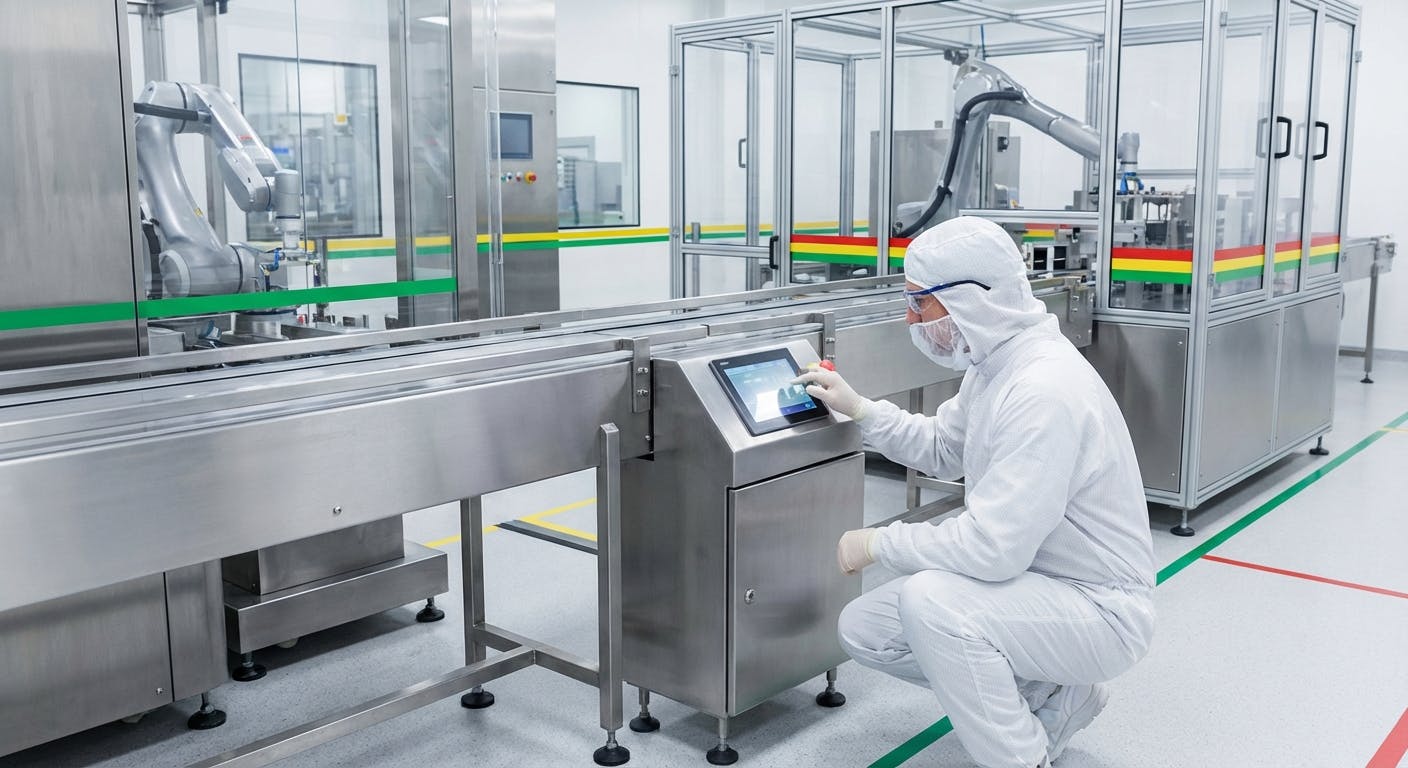
Cross-contamination is the unintentional transfer of physical, chemical, or biological contaminants from one substance, piece of equipment, or surface to another. In an industrial or manufacturing context, it refers to the migration of impurities—such as allergens, non-compatible lubricants, or pathogens—across production lines, often resulting from inadequate cleaning protocols or improper maintenance of shared assets.
The Industrial Context of Contamination
For maintenance managers and facility operators, cross-contamination represents a critical failure in operational integrity. While the term is often associated with food safety, its implications in 2026 extend to pharmaceuticals, chemical processing, and high-tech hardware manufacturing. In these environments, contamination often occurs during "changeovers" or through the use of shared tools that have not undergone rigorous Cleaning-in-Place (CIP) or Sanitization-in-Place (SIP) procedures. The transition from an informational query to a solution-seeking one usually happens when a facility realizes that standard cleaning is no longer sufficient to meet modern regulatory standards like FSMA or ISO 22000.
The Four Primary Types of Cross-Contamination
In a B2B industrial setting, cross-contamination is categorized into four distinct streams:
- Microbiological: The transfer of bacteria, viruses, or mold, common in food and beverage or pharmaceutical production.
- Chemical: The migration of cleaning agents, non-food-grade lubricants, or unapproved chemicals into the product stream.
- Physical: The introduction of foreign objects, such as metal shavings from worn bearings or plastic fragments from damaged conveyors.
- Allergenic: The accidental introduction of an allergen (e.g., soy, nuts, gluten) into a product line that is labeled allergen-free.
The Total Cost of Contamination
The impact of cross-contamination goes far beyond a simple batch loss. The "Total Cost of Contamination" includes the immediate expenses of product recalls and disposal, but also encompasses long-term damage such as accelerated equipment wear, legal liabilities, and catastrophic brand erosion. In 2026, data-driven facilities use predictive maintenance to identify when seals are failing or when a machine’s vibration profile suggests that metal-on-metal contact is creating physical contaminants. By integrating sanitation schedules directly into a maintenance framework, companies can move from reactive cleaning to a proactive, preventive stance.
Prevention Through Maintenance Excellence
Effective prevention requires a combination of robust Standard Operating Procedures (SOPs) and technological oversight. This includes the strict segregation of tools, the use of color-coded maintenance equipment, and the implementation of automated work orders that ensure sanitation occurs at the correct intervals. Modern facilities leverage digital systems to track the lifecycle of every asset, ensuring that no machine is returned to service until it has cleared its specific hygiene validation.
Learn more
To deepen your understanding of how to prevent cross-contamination through advanced maintenance strategies, explore these resources:
- Standardizing PM Procedures: Learn how to build rigorous preventive maintenance checklists that include sanitation and contamination checks.
- Industrial Asset Management: Discover how to track equipment history to ensure compliance with safety standards.
- CMMS for Regulatory Compliance: Understand how centralized software can automate your HACCP and GMP documentation.
- Inventory Control for Contamination Prevention: Strategies for segregating lubricants and spare parts to avoid chemical cross-contact.
