
What Is Config? Definition and Industrial Application
Feb 19, 2026
config meaning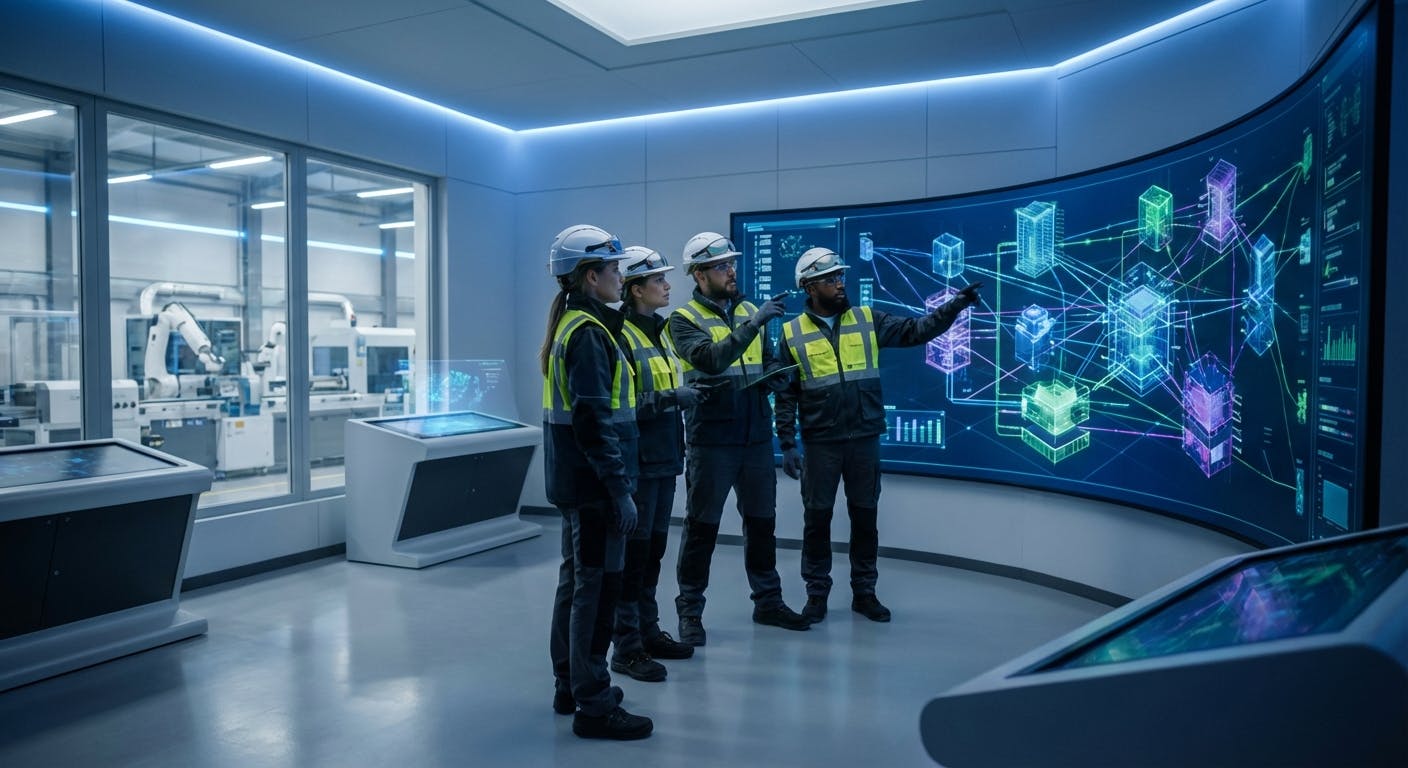
In an industrial and software context, config (short for configuration) refers to the specific arrangement of functional units, software settings, and system parameters designed to align a platform with a company's unique operational requirements. Unlike customization, which involves writing new code, configuration utilizes built-in tools to define how data is captured, how workflows trigger, and how users interact with the system.
The Industrial Importance of Configuration
For maintenance managers and facility operators in 2026, the meaning of "config" has shifted from a one-time setup task to a continuous strategic advantage. In the realm of Computerized Maintenance Management Systems (CMMS) and Enterprise Asset Management (EAM), configuration allows an organization to map its physical reality—such as complex asset management hierarchies—into a digital environment.
When a system is highly configurable, it provides the agility needed to scale operations without the "technical debt" associated with custom-coded solutions. This is often referred to as "Out-of-the-box" (OOTB) configurability. It ensures that as your facility grows or your maintenance strategies evolve toward predictive maintenance, the software can be adjusted via toggle switches, metadata fields, and permission settings rather than expensive developer interventions.
Key Elements of System Configuration
In modern industrial environments, configuration typically covers several critical areas:
- Asset Hierarchy Setup: Defining the parent-child relationships between facilities, production lines, and individual components.
- User Permissions & Roles: Configuring what data different personnel (e.g., technicians vs. plant managers) can view or edit to ensure data integrity and security.
- Workflow Automation: Setting the logic for how work orders move through a lifecycle, from initial request to final closure.
- API and Metadata Fields: Adjusting how the system communicates with external sensors or IoT devices through system integrations.
According to the National Institute of Standards and Technology (NIST), configuration management is essential for maintaining the consistency of a product's performance and its functional and physical attributes throughout its life. For industrial leaders, this means that a well-configured system provides a "single source of truth" that remains reliable even as hardware and personnel change.
Future-Proofing Through Configurability
The "Future-Proof" hook for modern enterprises lies in the ability to adapt to AI-driven insights. As facilities move toward ai-predictive-maintenance, the underlying configuration of the data structure determines how effectively machine learning algorithms can process information. A rigid system prevents innovation; a configurable system invites it. By prioritizing configurability, industrial decision-makers ensure their digital infrastructure can support the next generation of prescriptive maintenance and autonomous operations.
Learn more
To dive deeper into how configuration impacts your maintenance ROI and operational efficiency, explore our comprehensive guides:
- CMMS Implementation: Learn how to approach CMMS software configuration to ensure high user adoption and data accuracy.
- Workflow Optimization: Discover how to set up work order software to automate routine tasks and reduce administrative overhead.
- Asset Strategy: A deep dive into asset management configurations that support long-term equipment reliability.
- Connected Systems: How to manage integrations to create a unified industrial data ecosystem.
