
What is Capital Expenditure (CapEx)?
Feb 19, 2026
what is the meaning of capital expenditure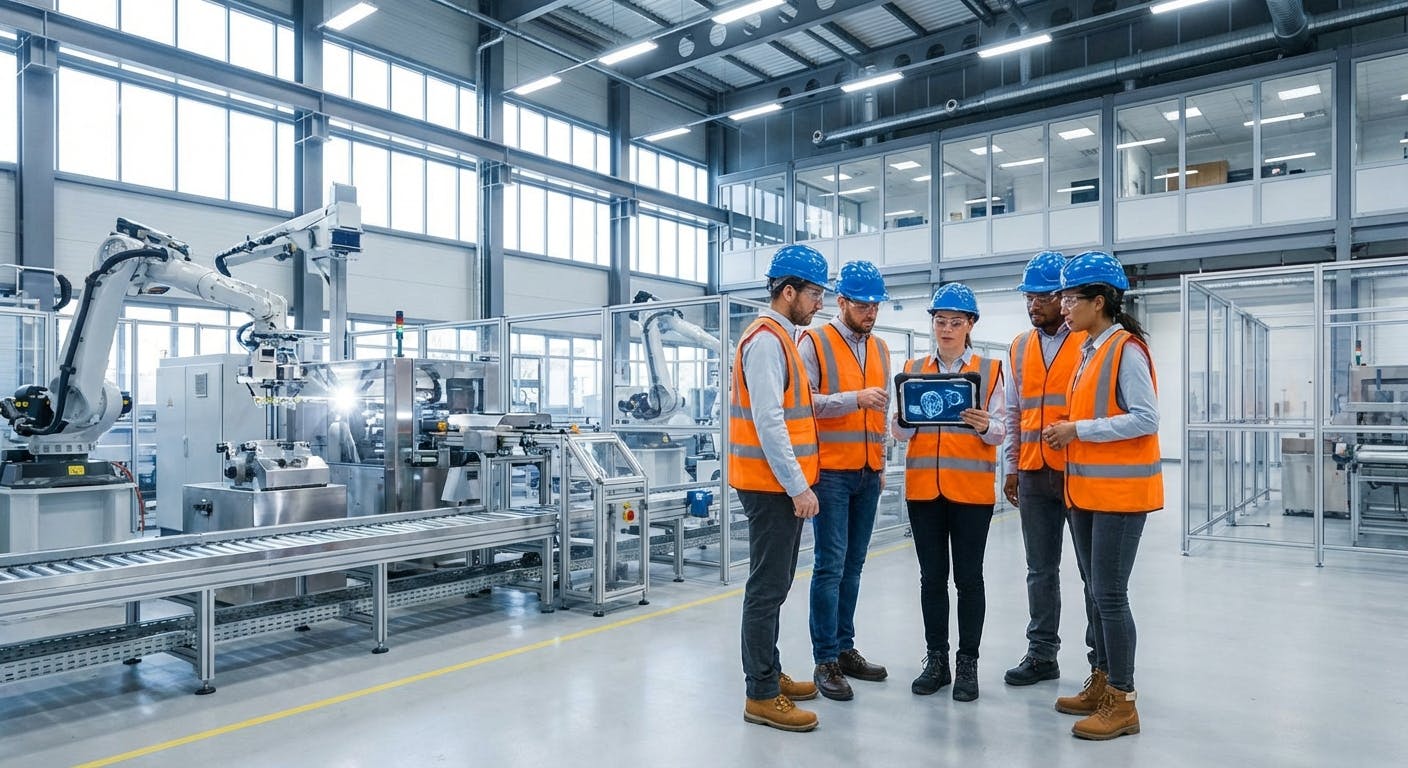
Capital expenditure (CapEx) refers to the funds an organization uses to acquire, upgrade, and maintain physical assets such as property, industrial buildings, or equipment. In financial terms, an expenditure is considered CapEx when it provides a benefit that extends beyond the current tax year, requiring the cost to be capitalized and depreciated over the asset's useful life.
For maintenance leaders and facility managers in 2026, CapEx is the primary lever for strategic modernization. Rather than exhausting a budget on the "break-fix" cycle—which falls under Operating Expenditure (OpEx)—CapEx allows for the wholesale replacement of aging machinery or the integration of advanced technology. By shifting the conversation from "how much does this repair cost?" to "how much value does this asset add over its lifecycle?", maintenance professionals can align their technical needs with the organization’s broader financial engineering goals.
Total Cost of Ownership (TCO)
In the context of capital expenditure, understanding the Total Cost of Ownership is vital. TCO includes the initial purchase price of an asset plus the costs of operation, maintenance, and eventual disposal. A higher initial CapEx for a more efficient, sensor-equipped machine often results in a significantly lower TCO compared to a cheaper alternative that requires constant manual intervention and frequent parts replacement.
Fixed Asset Depreciation
Unlike OpEx, which is fully deducted in the year the expense occurs, CapEx is spread across the asset's lifespan through depreciation. This accounting treatment allows industrial firms to balance the cost of a major investment, like a new conveyor system or a fleet of autonomous mobile robots, against the revenue those assets generate over five, ten, or twenty years. According to the National Institute of Standards and Technology (NIST), strategic investment in high-reliability assets is a cornerstone of manufacturing competitiveness.
The Shift from Repair to Reinvestment
In modern industrial environments, the decision to trigger a capital expenditure is increasingly data-driven. Maintenance leaders no longer guess when a machine is "too old" to fix. Instead, they use performance data to prove that the Internal Rate of Return (IRR) on a new capital asset outweighs the diminishing returns of maintaining a legacy system. This transition transforms the maintenance department from a cost center into a value-driver, as capital investments are targeted toward assets that offer the highest uptime and lowest energy consumption.
Learn more
To deepen your understanding of how to manage and justify capital investments in an industrial setting, explore these resources:
- Optimize your investment strategy with comprehensive asset management tools.
- Reduce the need for emergency capital outlays by implementing preventive maintenance strategies.
- Justify your next CapEx request using data from AI-driven predictive maintenance.
- See how manufacturing AI software helps calculate the remaining useful life of your most expensive assets.
