
What is an Outage? Definition and Industrial Context
Feb 19, 2026
outage meaning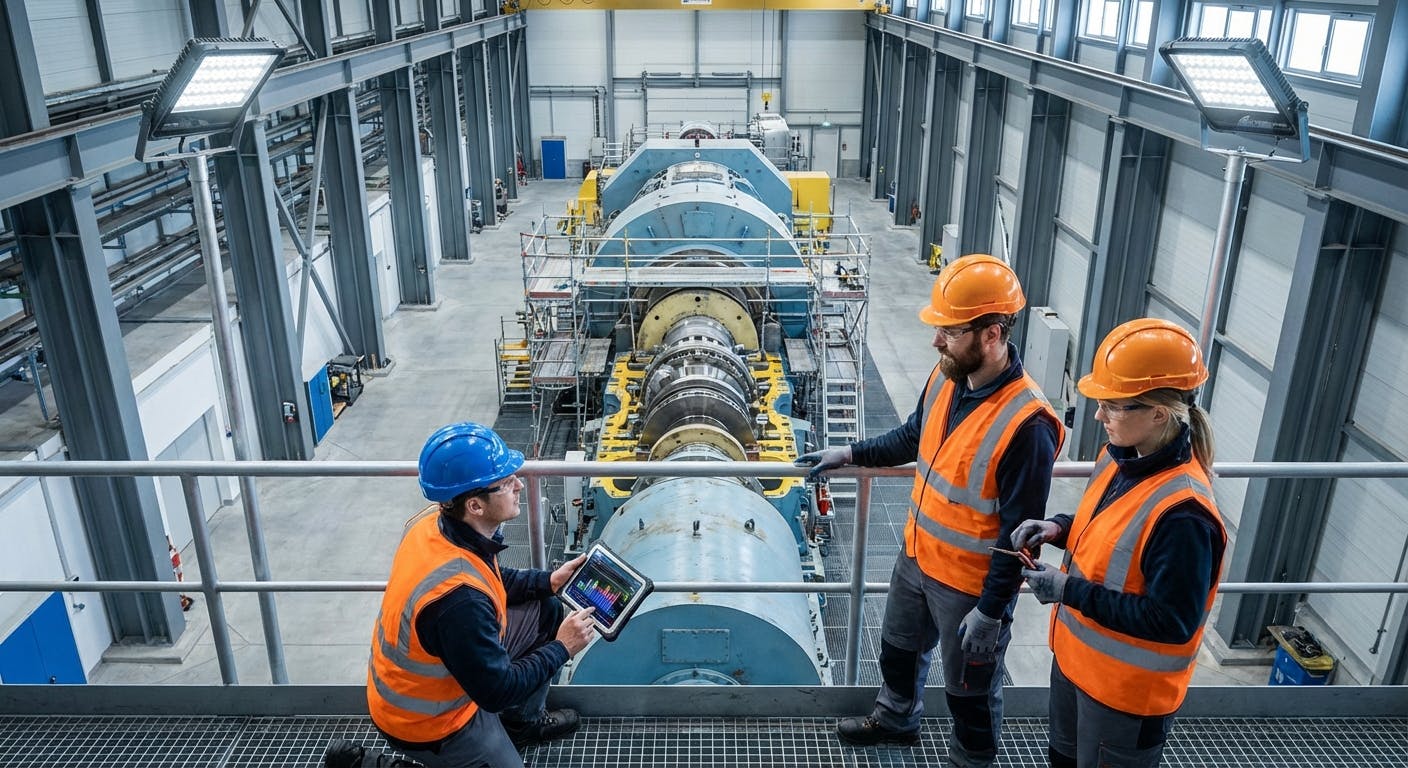
An outage is a specific period during which a system, piece of equipment, or an entire industrial facility is unavailable or non-functional. In a professional maintenance context, an outage refers to the temporary suspension of operations, which can be categorized as either a planned event for scheduled servicing or an unplanned event caused by unexpected mechanical failure or external factors.
The Industrial Context of Outages
For maintenance managers and facility operators in 2026, the meaning of an outage extends far beyond a simple "power cut." It is a critical operational state that directly impacts Overall Equipment Effectiveness (OEE) and bottom-line profitability. In heavy industries, outages are often managed through a framework known as Shutdown, Turnaround, and Outage (STO). While an outage might involve a single production line, a turnaround often implies a total plant shutdown for extensive inspections and upgrades.
The primary challenge for modern industrial decision-makers is the "Operational Excellence" gap: the difference between necessary downtime for asset longevity and the catastrophic costs of emergency failures. According to the National Institute of Standards and Technology (NIST), equipment reliability and availability are the cornerstones of manufacturing productivity. Therefore, defining an outage is less about the lack of activity and more about the management of asset availability.
Planned vs. Unplanned Outages
The distinction between planned and unplanned outages is the most significant factor in industrial reliability.
- Planned Outages: These are scheduled events integrated into the production calendar. They are used for preventive maintenance (PM), inspections, and hardware upgrades. Because they are anticipated, resources, labor, and parts are staged in advance, minimizing the impact on the supply chain.
- Unplanned Outages: These occur when a component fails unexpectedly, leading to reactive maintenance. These events are significantly more expensive than planned outages due to emergency labor rates, expedited shipping for parts, and the high cost of lost production time.
Key Metrics: MTBF and MTTR
To quantify the impact of outages, facilities track two primary Key Performance Indicators (KPIs):
- Mean Time Between Failures (MTBF): This measures the average time a system operates between unplanned outages. A higher MTBF indicates a more reliable system.
- Mean Time to Repair (MTTR): This measures the average time required to troubleshoot and repair a system to bring it back online after an outage occurs.
By analyzing these metrics, organizations can transition from a reactive posture to a proactive one, ensuring that outages are strategic investments in asset health rather than symptoms of operational failure.
Related reading
To optimize your facility's response to downtime and improve your reliability strategy, explore these in-depth resources:
- Implement a robust CMMS software to track outage frequency and maintenance history.
- Reduce the risk of unplanned downtime with AI-driven predictive maintenance tools.
- Streamline your asset management protocols to ensure parts are available before a scheduled outage begins.
- Leverage manufacturing AI software to predict failure points before they lead to a total system shutdown.
