
What Is a Fixed Asset?
Feb 23, 2026
fixed assets meaning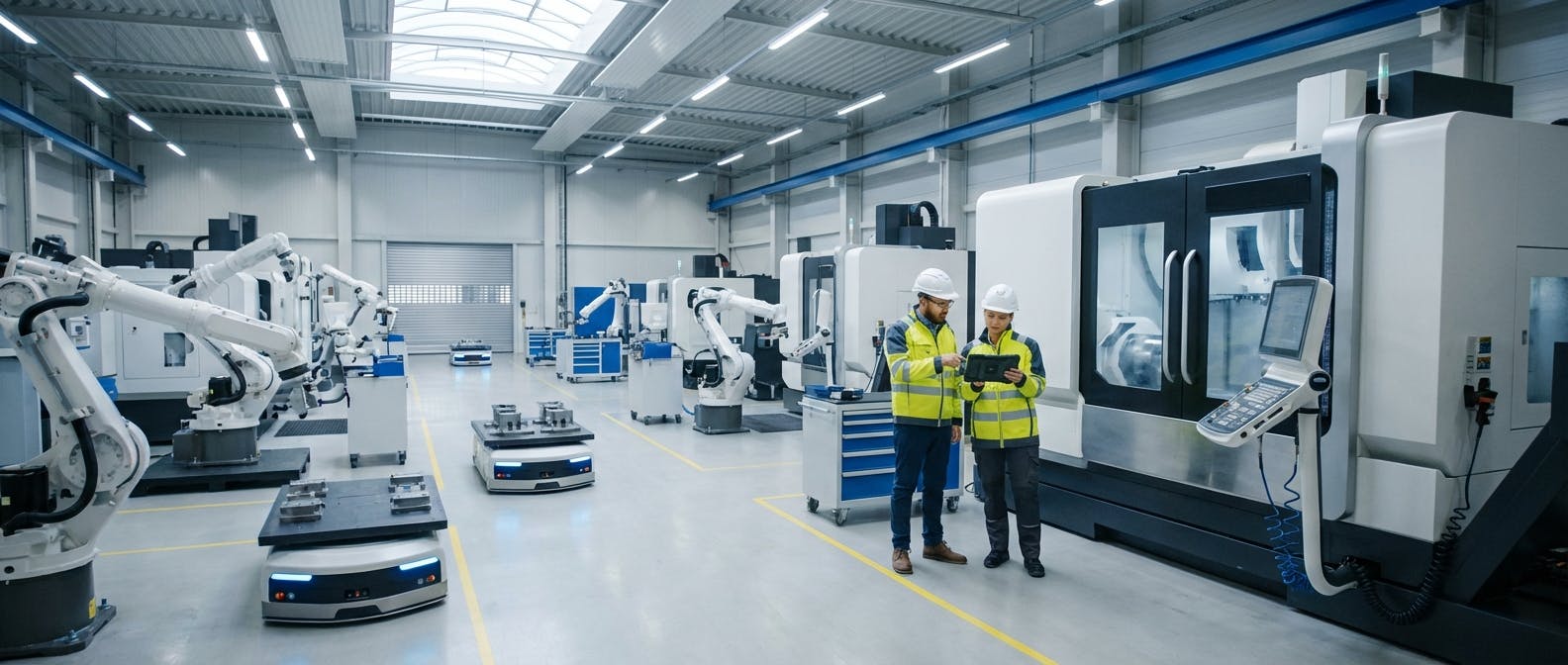
Fixed assets are long-term tangible resources—such as machinery, manufacturing equipment, vehicles, and buildings—that an organization owns and uses to produce income. Unlike inventory, these assets are not intended for sale within the current fiscal year; instead, they are capitalized on the balance sheet and depreciated over their estimated useful life.
The Operational Excellence Perspective
In the context of modern industrial operations, a fixed asset is more than just a line item on a financial statement; it is the physical engine of production. For maintenance managers and facility operators, fixed assets represent the critical infrastructure that requires strategic oversight to ensure maximum uptime and return on investment (ROI).
By 2026, the definition of fixed asset management has shifted from static accounting to dynamic "Maintenance-First" lifecycle management. This approach integrates financial data with real-time performance metrics. When an organization understands its fixed assets through this lens, it can better balance the cost of maintenance against the asset's remaining useful life and its eventual salvage value.
Key Components of Fixed Assets
To fully grasp the meaning of fixed assets in an industrial setting, it is essential to understand these related concepts:
- Property, Plant, and Equipment (PP&E): This is the standard accounting designation for fixed assets. It encompasses everything from the land the factory sits on to the specialized CNC machines inside it.
- Capitalization Threshold: This is the specific dollar amount set by a company to determine if a purchase should be recorded as a fixed asset or an immediate expense. For example, a $50 wrench is an expense, while a $50,000 hydraulic press is a fixed asset.
- Accumulated Depreciation: This represents the total amount of an asset's cost that has been allocated as an expense since the asset was put into service. It reflects the physical wear and tear and technological obsolescence of the machinery.
- Fixed Asset Register (FAR): A comprehensive list of all fixed assets owned by a business. In a high-performing facility, the FAR is often synced with a CMMS to ensure that maintenance schedules align with the financial reality of the equipment.
Fixed Assets vs. Maintenance Strategy
Effective management of fixed assets requires a shift from reactive repairs to proactive care. Because these assets represent a significant capital investment, extending their lifecycle is a primary goal for industrial decision-makers. Utilizing data-driven strategies allows firms to monitor the "Net Book Value" of an asset alongside its actual mechanical health. This ensures that a piece of equipment is not just "on the books," but is actively contributing to the bottom line through optimized performance.
For further technical guidance on managing these high-value items, refer to the NIST Engineering Laboratory standards for manufacturing infrastructure.
Learn more
- Optimize your equipment longevity with comprehensive asset management.
- Streamline your documentation and tracking using modern CMMS software.
- Transition from reactive to proactive care with AI-driven predictive maintenance.
- Manage the parts and tools required to keep your assets running via inventory management.
