
What Is a Fail-Safe?
Feb 23, 2026
definition fail safe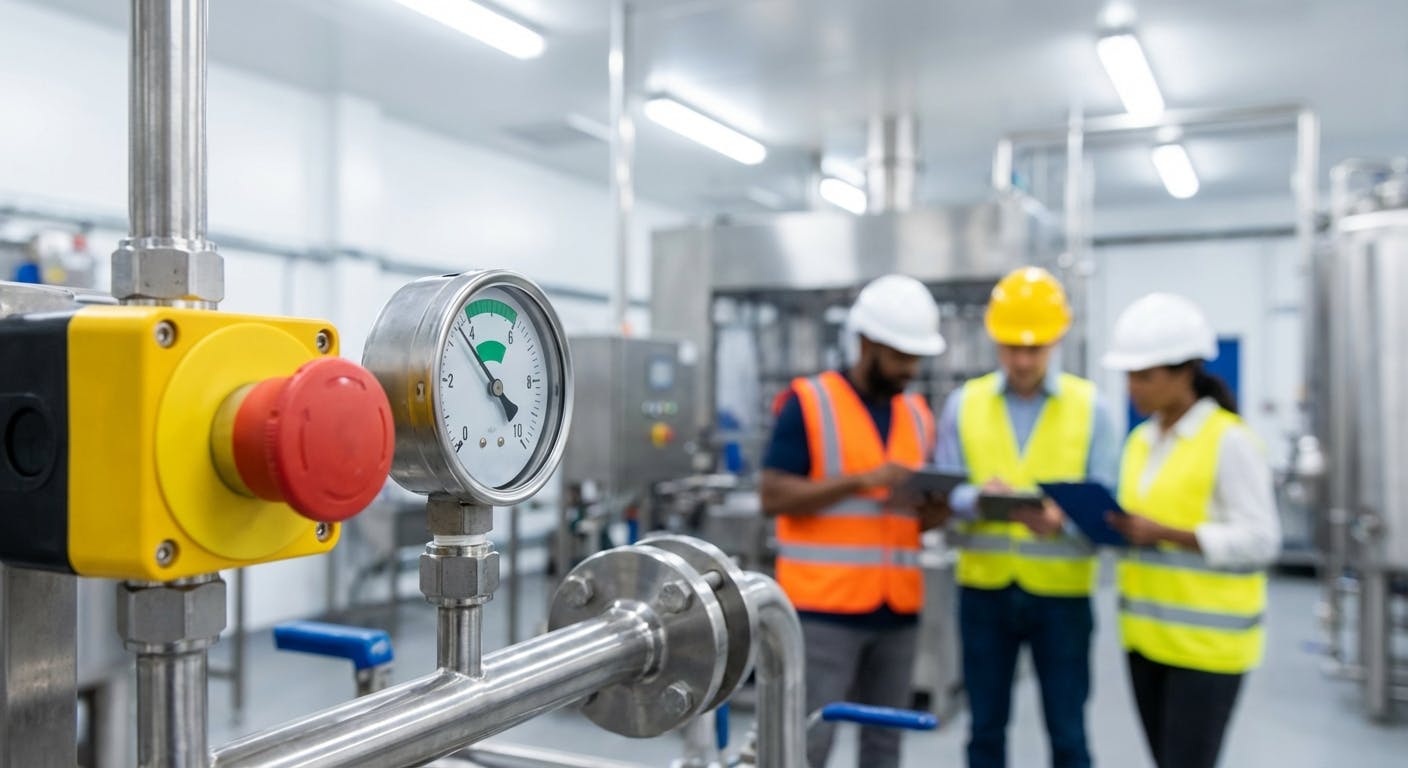
A fail-safe is a design feature or operational protocol that ensures a system automatically transitions to a safe state in the event of a failure. This mechanism is engineered to prevent injury, environmental damage, or catastrophic equipment loss by prioritizing safety over continued operation when a malfunction occurs.
In modern industrial environments, a fail-safe is not merely a backup plan but a fundamental component of the engineering blueprint. It is the "last line of defense" that triggers when primary control systems fail. For example, a fail-safe valve in a chemical plant might be designed to close automatically if power is lost, preventing a hazardous leak, even if that closure results in a temporary production halt.
The Role of Fail-Safes in Modern Manufacturing
Implementing fail-safe systems is a critical requirement for meeting international safety standards such as IEC 61508 and ISO 13849. These standards define the necessary Safety Integrity Level (SIL) for various industrial processes. Engineers use Failure Mode and Effects Analysis (FMEA) to identify potential points of failure and determine which components require fail-safe logic.
While the primary goal is safety, fail-safes also play a vital role in asset protection. By forcing a system into a non-destructive state—such as an emergency stop on a high-speed conveyor or a pressure release on a boiler—the fail-safe prevents a minor component failure from cascading into a total system "meltdown." This distinction is important: a fail-safe system prioritizes a "safe stop," whereas a fail-operational system is designed to continue functioning at a reduced capacity.
Key Fail-Safe Mechanisms
- Mechanical Fail-Safes: Physical components like springs that close a valve when pneumatic pressure is lost, or "dead man's switches" that require constant physical input to keep a machine running.
- Electrical Fail-Safes: Circuits designed to open (break) upon failure, ensuring that power is cut to hazardous components.
- Software/Logic Fail-Safes: Algorithms that monitor sensor data and trigger an automated shutdown if parameters exceed safe thresholds.
According to the National Institute of Standards and Technology (NIST), robust system design must account for both human error and mechanical degradation, making fail-safe integration a cornerstone of resilient infrastructure.
Learn more
To effectively manage the assets and protocols that support these safety systems, consider exploring the following resources:
- AI Predictive Maintenance: Understand how advanced analytics can predict when a component is nearing a failure state before a fail-safe is even triggered.
- Preventive Maintenance Software: Establish routine inspection schedules to ensure your fail-safe mechanisms are functional and compliant.
- PM Procedures: Standardize the testing and validation of safety interlocks and emergency stop systems across your facility.
- Equipment Maintenance Software: Centralize the documentation for all fail-safe assets to maintain a clear audit trail for safety inspections.
