
What is 5S Methodology?
Feb 18, 2026
define 5s methodology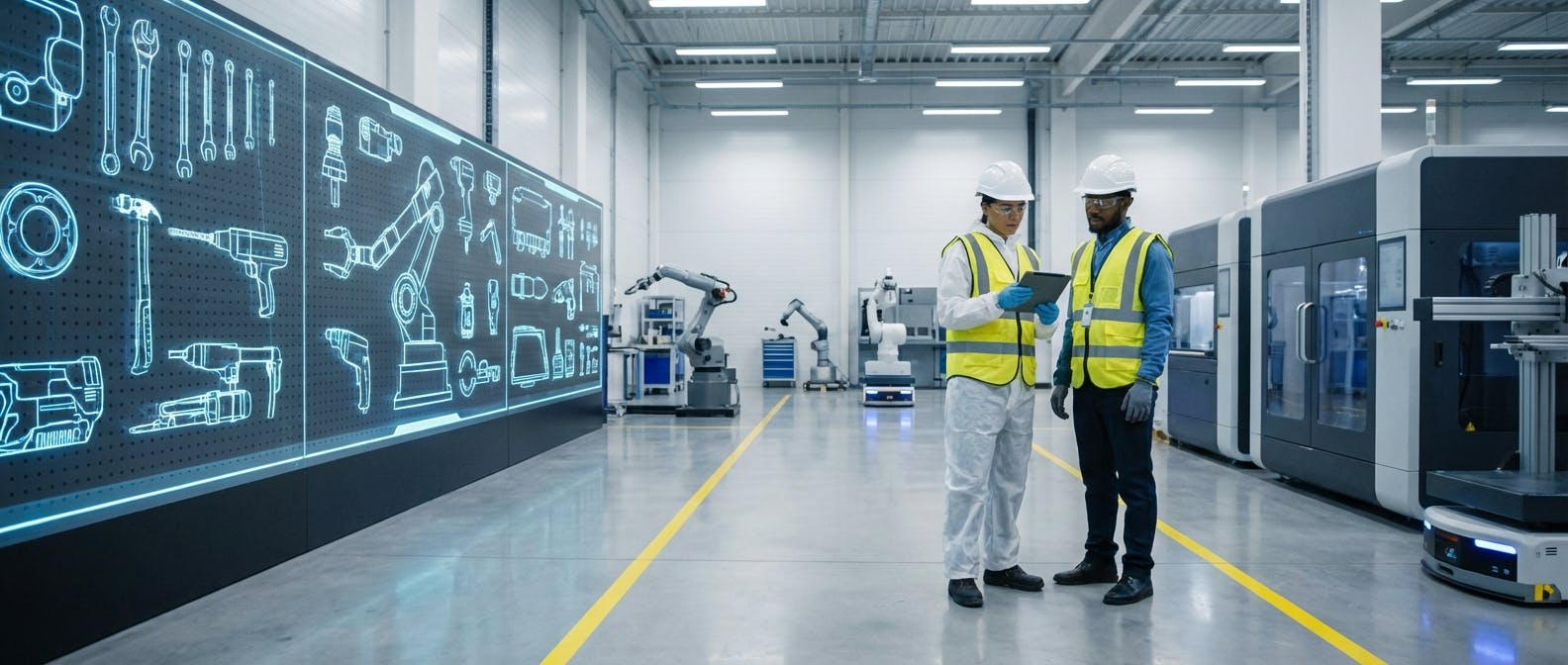
5S methodology is a structured Lean framework designed to optimize workplace efficiency, safety, and productivity through systematic organization and standardization. It consists of five Japanese terms—Seiri, Seiton, Seiso, Seiketsu, and Shitsuke—which translate to Sort, Set in Order, Shine, Standardize, and Sustain.
The Five Pillars of 5S
To define 5S methodology accurately, one must understand the sequential nature of its five pillars:
- Sort (Seiri): This initial step involves distinguishing between necessary and unnecessary items in a workspace. Maintenance teams remove broken tools, expired chemicals, and redundant spare parts to eliminate clutter and reclaim floor space.
- Set in Order (Seiton): Once clutter is removed, the remaining items are organized so they are easy to find, use, and return. This often involves "a place for everything and everything in its place," utilizing shadow boards, labeled bins, and logical layouts.
- Shine (Seiso): This stage focuses on proactive cleaning and inspection. In a 2026 manufacturing environment, "Shining" is not merely aesthetic; it is a form of inspection where technicians look for leaks, cracks, or misalignment while cleaning equipment.
- Standardize (Seiketsu): This step turns the first three pillars into a repeatable routine. By establishing standardized PM procedures, organizations ensure that "Sort, Set, and Shine" are not one-time events but integrated into daily operations.
- Sustain (Shitsuke): The final pillar is the most challenging, as it requires the discipline to maintain the established standards. It involves culture building, regular audits, and the use of digital tools to ensure the methodology remains a core part of the organizational DNA.
Why 5S Matters in Modern Maintenance
In the context of modern industrial operations, 5S serves as the foundational layer for more complex strategies like Total Productive Maintenance (TPM) and Kaizen. By reducing "Muda" (waste), 5S directly impacts the bottom line by reducing the time technicians spend searching for tools and minimizing safety hazards caused by disorganized workspaces.
As we move toward more autonomous and data-driven facilities, the "Digital 5S" approach has become essential. Modern facilities use CMMS software to track 5S audits and trigger tasks when a workspace falls out of compliance. This digital integration ensures that workplace organization is measurable and visible to management in real-time. Furthermore, effective 5S supports better inventory management, ensuring that critical spares are always accessible and correctly stored to prevent degradation.
According to the National Institute of Standards and Technology (NIST), Lean practices like 5S are critical for small and medium-sized manufacturers to remain competitive by significantly reducing lead times and operational costs.
Learn more
To deepen your understanding of how workplace organization integrates with modern maintenance technology, explore these comprehensive guides:
