
Quality Assurance (QA) Definition
Feb 23, 2026
qa definition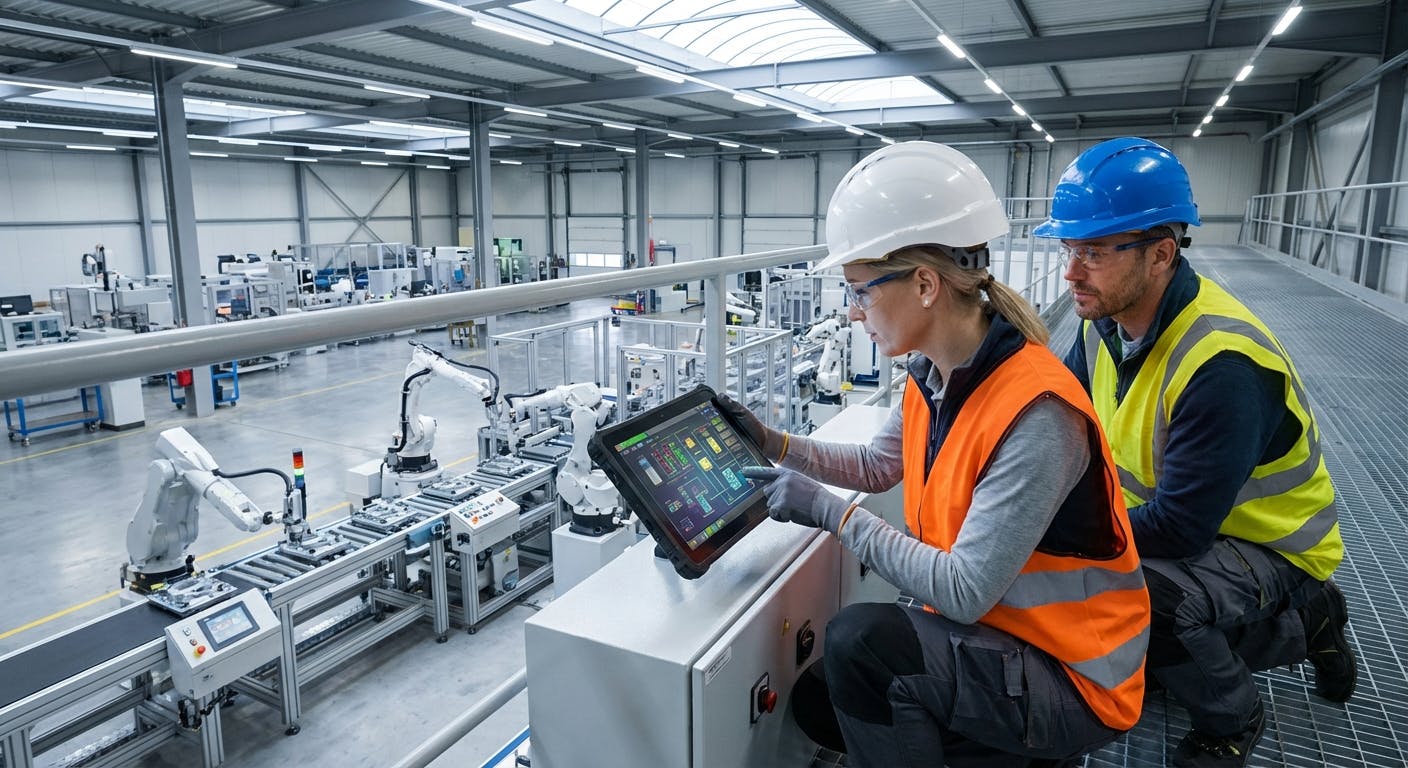
Quality Assurance (QA) is a systematic, proactive process designed to ensure that products and services meet specified requirements and quality standards. In an industrial context, QA focuses on the "process" rather than the "product," establishing the frameworks, protocols, and Standard Operating Procedures (SOPs) necessary to prevent defects before they occur.
The Industrial Leader’s Perspective: Process vs. Product
For maintenance managers and facility operators in 2026, the distinction between Quality Assurance (QA) and Quality Control (QC) is critical for operational excellence. While QC is a reactive process—identifying defects in the finished output—QA is the strategic architecture that governs how work is performed. It is the difference between catching a faulty bearing at the end of the line and having a preventative maintenance strategy that ensures the bearing never fails in the first place.
QA encompasses all planned and systematic activities implemented within a quality system. This includes the rigorous documentation of workflows, the training of personnel, and the continuous auditing of manufacturing processes. By focusing on the "how," industrial leaders can ensure that operational integrity is a constant state rather than a variable outcome.
QA in the Maintenance Lifecycle
In modern industrial environments, QA is inextricably linked to asset reliability. High-level quality assurance requires a deep integration with asset management systems to ensure that every piece of equipment is operating within its designed parameters. When maintenance teams follow standardized QA protocols, they reduce variability, which is the primary enemy of uptime.
The implementation of QA in maintenance often involves:
- Root Cause Analysis (RCA): Investigating why a process failed to prevent recurrence.
- Corrective and Preventive Actions (CAPA): Implementing systemic changes to eliminate the causes of existing non-conformities.
- Process Auditing: Regularly reviewing maintenance logs and equipment performance to ensure compliance with ISO 9001 Standards.
As we move further into the era of Industry 4.0, QA is increasingly driven by data. The use of manufacturing AI software allows leaders to move from manual checklists to automated quality gates, where sensors and algorithms verify that every step of a production or maintenance cycle adheres to the established quality framework.
Why QA Matters for Operational Integrity
Without a robust QA definition and framework, industrial facilities risk high scrap rates, frequent unplanned downtime, and safety compromises. QA provides the "guardrails" for the workforce, ensuring that even as personnel change or production scales, the quality of the output remains consistent. It transforms quality from a department into a culture, where every operator and technician is empowered by standardized processes to maintain the highest levels of operational integrity.
Learn more
To deepen your understanding of how quality assurance integrates with modern industrial maintenance and operations, explore these comprehensive guides:
