
Lean Manufacturing Definition
Feb 23, 2026
lean manufacturing definition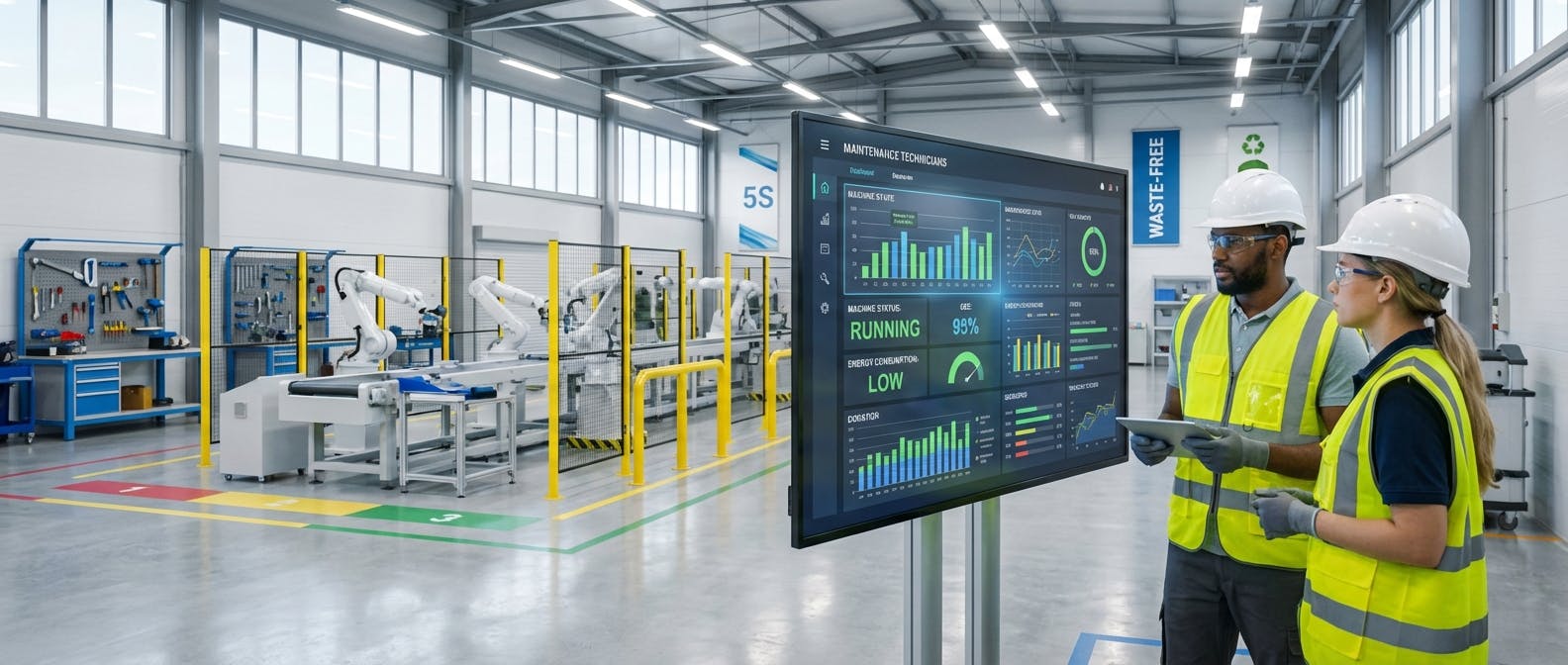
Lean manufacturing is a systematic production methodology focused on eliminating waste ("Muda") within a manufacturing system without sacrificing productivity. It prioritizes value creation for the end customer by optimizing processes and resources to ensure that every activity contributes directly to the final product.
The Core of Lean: Eliminating the 8 Wastes
Originating from the Toyota Production System (TPS), Lean is defined by the pursuit of continuous improvement, or Kaizen. In a modern industrial context, Lean is operationalized by identifying and removing the "8 Wastes," often remembered by the acronym DOWNTIME:
- Defects: Products or services that do not meet specifications, requiring rework.
- Overproduction: Making more than is needed or making it before it is needed.
- Waiting: Idle time created when periods of work are interrupted.
- Non-utilized Talent: Failing to leverage the skills and knowledge of the workforce.
- Transportation: Unnecessary movement of products or materials.
- Inventory: Excess products and materials not being processed.
- Motion: Unnecessary movement by people (e.g., walking to find tools).
- Extra-processing: Performing more work than is required by the customer.
The "Lean Maintenance" Pivot
In 2026, the definition of Lean has evolved beyond the assembly line to encompass Lean Maintenance. For maintenance managers and facility operators, Lean is a strategy for maximizing asset uptime and reliability. Unplanned downtime is the ultimate form of waste, encompassing "Waiting," "Defects," and "Motion."
By applying Lean tools like 5S (Sort, Set in order, Shine, Standardize, Sustain) to the tool crib or using Value Stream Mapping (VSM) to analyze work order workflows, organizations can ensure that maintenance acts as a value-driver rather than a cost center. High-performing plants utilize Total Productive Maintenance (TPM) to empower operators to perform basic upkeep, which reduces the burden on specialized technicians and improves Overall Equipment Effectiveness (OEE).
Furthermore, the integration of technology allows for "Just-in-Time" maintenance. Instead of performing calendar-based tasks that may be unnecessary (a form of "Extra-processing"), modern facilities use data to perform maintenance only when the asset condition requires it. This transition from reactive to proactive care is the cornerstone of Lean in the digital age.
For more authoritative documentation on Lean standards, you can visit the National Institute of Standards and Technology (NIST).
Learn more
To deepen your understanding of how Lean principles integrate with modern industrial technology, explore these comprehensive guides:
- AI-driven predictive maintenance: Discover how artificial intelligence eliminates the waste of unplanned downtime.
- Manufacturing AI software: Learn how to leverage data to optimize your production value stream.
- Standardizing preventive maintenance procedures: A guide to creating standardized work for maintenance teams to reduce defects and motion.
- Strategic asset management: How to align your physical assets with Lean production goals for maximum OEE.
