
FIFO (First-In, First-Out) Definition
Feb 19, 2026
definition fifo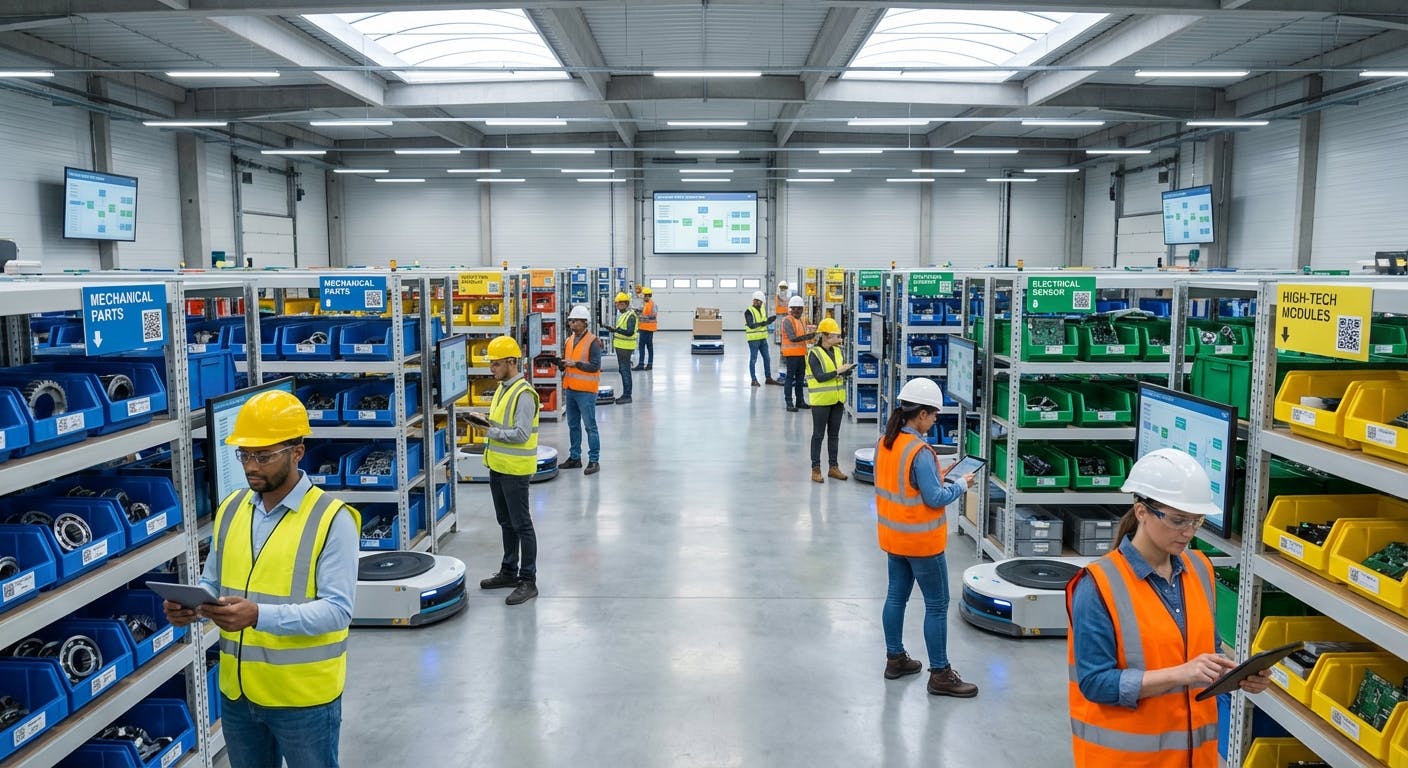
FIFO (First-In, First-Out) is an inventory management and valuation principle stating that the first items placed in inventory are the first ones to be used, sold, or consumed. In an industrial and maintenance context, this method ensures that older spare parts, lubricants, and consumables are rotated systematically so that the oldest stock is cleared before newer arrivals are touched.
The Strategic Importance of FIFO in Industry 4.0
While often discussed in basic accounting, FIFO is a cornerstone of operational excellence for modern maintenance teams. In the high-stakes environment of 2026, where supply chain volatility remains a factor, managing MRO (Maintenance, Repair, and Operations) inventory through FIFO is essential for maintaining asset integrity.
When maintenance departments fail to follow FIFO, they risk the accumulation of "zombie inventory"—parts that have sat on the shelf so long they have degraded, oxidized, or become technologically obsolete. For example, seals, gaskets, and certain electronic components have specific shelf lives. By enforcing FIFO, facilities ensure that these components are installed while they are still within their peak performance window, thereby reducing the risk of premature equipment failure.
FIFO vs. The Hidden Costs of Obsolescence
Implementing a strict FIFO flow directly impacts a facility's bottom line by reducing carrying costs and minimizing waste. In a "Last-In, First-Out" (LIFO) scenario, older parts are pushed to the back of the shelf, where they gather dust and lose value. This leads to high obsolescence risks, where capital is tied up in unusable components that eventually require a write-off.
Furthermore, FIFO provides a more accurate reflection of current market value for inventory on the balance sheet during periods of inflation. For maintenance managers, however, the primary benefit is reliability. Knowing that every spare part pulled for a critical repair is the "freshest" available unit reduces the variables that lead to secondary breakdowns. This level of precision is a requirement for organizations moving toward ai-predictive maintenance models, where data accuracy regarding part age and condition is paramount.
Implementing FIFO in Modern Maintenance
In the modern smart factory, FIFO is rarely managed with paper logs. It is integrated into digital ecosystems that track every movement of a part from procurement to installation. By utilizing inventory management modules within a centralized system, managers can automate the "pick" process. When a technician is assigned a task, the system specifies exactly which bin or serialized unit to pull based on its arrival date.
This systematic approach is most effective when paired with robust work order software. When a work order is generated, the system can automatically reserve the oldest viable stock, ensuring that inventory rotation happens without requiring constant manual oversight from the warehouse staff. This integration is a key component of a broader asset management strategy that seeks to optimize the entire lifecycle of industrial equipment.
Learn more
To deepen your understanding of how inventory flow impacts maintenance reliability and operational costs, explore these detailed guides:
- Inventory Management Features: Discover how digital tools automate FIFO and FEFO to reduce MRO waste.
- Work Order Software Integration: Learn how to link your inventory rotation strategy directly to daily maintenance tasks.
- Comprehensive Asset Management: Understand the relationship between part quality, storage duration, and long-term asset health.
- CMMS Software Solutions: Explore the platform that serves as the single source of truth for all inventory and maintenance data.
For further reading on international standards for inventory and quality control, refer to the National Institute of Standards and Technology (NIST).
