
Definition for Refurbish
Feb 18, 2026
definition for refurbish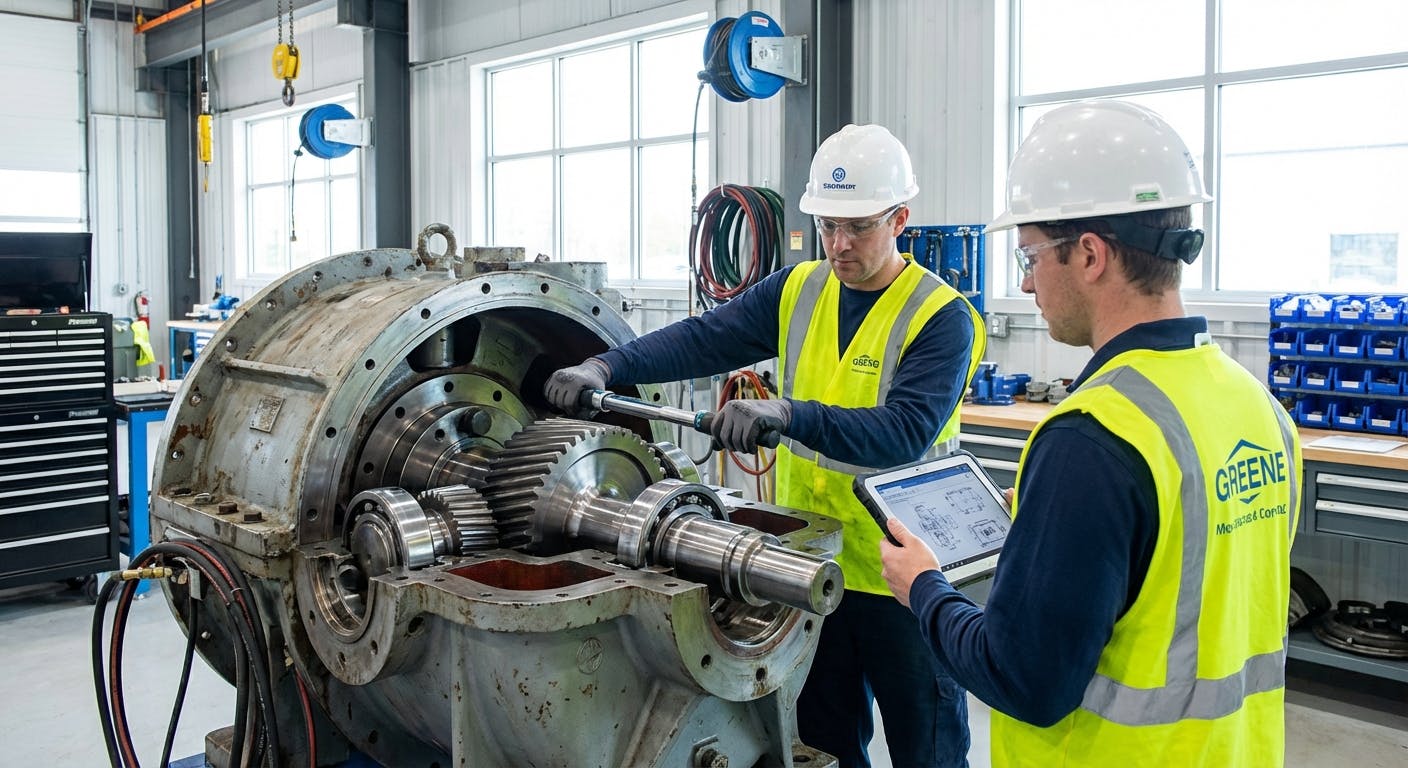
In an industrial context, to refurbish is to restore a piece of equipment, machinery, or a facility to a functional, "like-new" condition through a systematic process of cleaning, repairing, and replacing worn components. Unlike a basic repair, refurbishment involves a comprehensive overhaul designed to extend the asset's lifecycle, improve operational efficiency, and ensure the equipment meets or exceeds its original performance specifications.
The Strategic Role of Refurbishment
For maintenance managers and facility operators in 2026, refurbishment is a critical component of Asset Lifecycle Management. It serves as a middle ground between routine maintenance and total asset replacement. By opting for refurbishment, organizations can significantly lower their Total Cost of Ownership (TCO) and improve Mean Time Between Failures (MTBF) without the heavy financial burden of new Capital Expenditure (CAPEX).
In the modern industrial landscape, refurbishment is often driven by data. Advanced analytics and sensor data help decision-makers identify the "sweet spot" in an asset's life where refurbishment provides the highest return on investment (ROI) before the cost of upkeep exceeds the value of the machine. This practice aligns with ISO 55001 Asset Management standards, focusing on the realization of value from assets throughout their entire life.
Refurbishment vs. Repair vs. Remanufacturing
It is vital to distinguish refurbishment from similar terms to maintain Operational Excellence:
- Repair: A reactive measure to fix a specific fault and return the asset to service.
- Refurbish: A proactive, holistic restoration of the entire unit to extend its useful life.
- Remanufacture: The most intensive process, where an asset is completely disassembled and rebuilt, often incorporating modern upgrades to outperform the original "as-new" specifications.
The Refurbishment Decision Matrix
Industrial leaders typically use a decision matrix to determine when to refurbish. Key factors include the Rule of 50—if the cost of refurbishment exceeds 50% of the cost of a new replacement, replacement is often favored. However, if the frame and core components of a machine are structurally sound, refurbishment allows for the integration of modern sensors and IoT gateways, effectively "smart-enabling" older hardware at a fraction of the cost of new smart-connected machinery.
According to the National Institute of Standards and Technology (NIST), circular economy practices like refurbishment are essential for sustainable manufacturing, reducing waste and energy consumption associated with producing new industrial goods.
Learn more
To deepen your understanding of asset health and lifecycle optimization, explore these detailed resources:
- Implement robust Asset Management strategies to track refurbishment cycles.
- Standardize your restoration workflows with digital PM Procedures.
- Centralize all maintenance data and history using CMMS Software.
- Ensure critical spare parts are available for overhauls through Inventory Management tools.
