
Defining Assets: The Strategic Industrial Perspective
Feb 18, 2026
define assets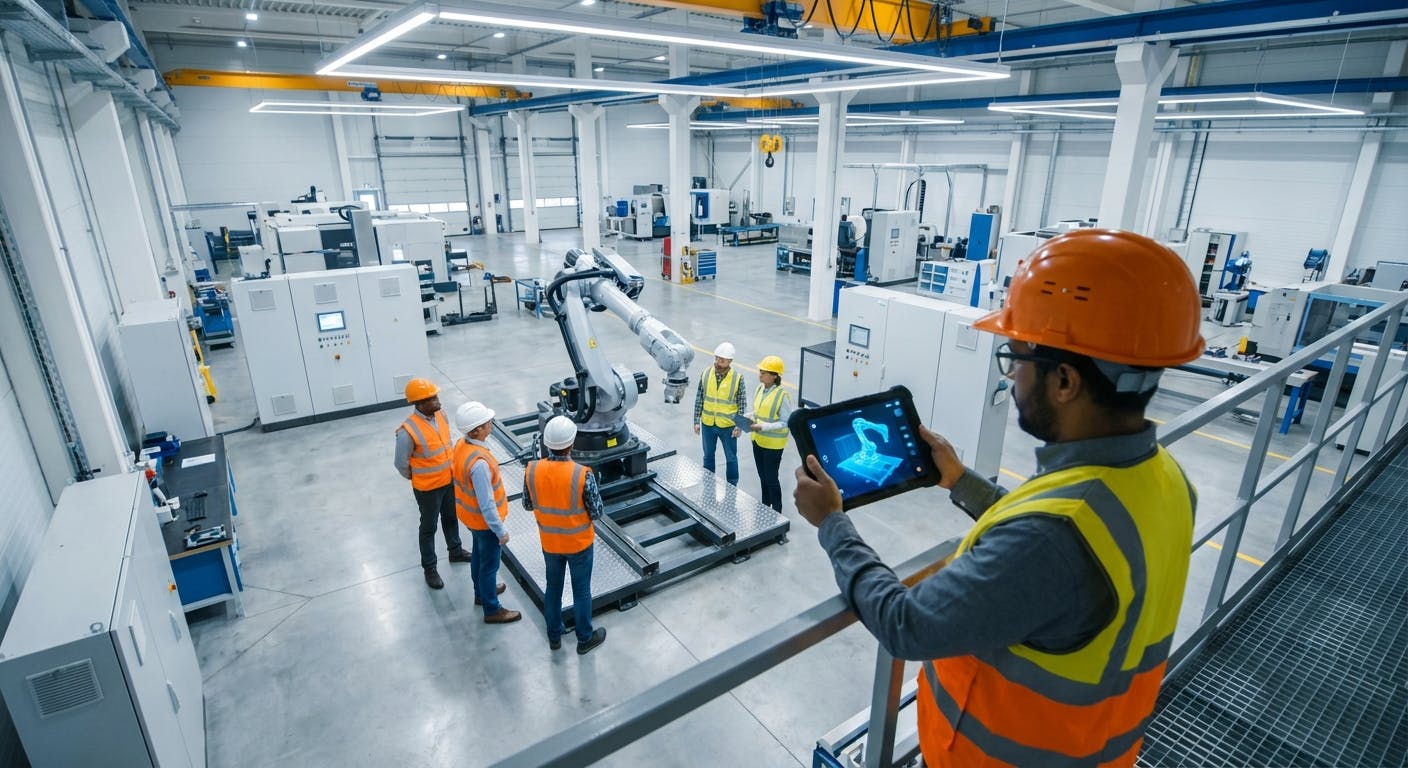
An asset is any physical component, piece of equipment, or system that provides actual or potential value to an organization through its operational output. In an industrial context, assets are the "maintainable units" that drive production, requiring strategic oversight throughout their lifecycle to maximize return on investment (ROI) and minimize risk.
The Operational Reality of Assets
While a standard financial definition focuses on an asset as a resource with economic value owned by a corporation, maintenance and facility managers must view assets through the lens of Asset Lifecycle Management (ALM). In the modern smart factory of 2026, an asset is not merely a static object on a balance sheet; it is a dynamic, data-generating entity.
Defining assets correctly is the foundation of any reliability strategy. This involves moving beyond simple categorization and into the creation of a robust Asset Hierarchy. By establishing a Parent-Child Relationship between systems (the parent) and their individual components (the child), organizations can track performance and costs at a granular level. For example, a bottling line is a parent asset, while the individual motors, sensors, and pumps within that line are child assets. This structure is essential for adhering to ISO 55000 Standards, which provide the global benchmark for optimal asset management.
Financial vs. Operational Definitions
In industrial settings, the definition of an asset is often split between two financial categories:
- Capital Expenditure (CAPEX): These are the Fixed Assets—the heavy machinery, buildings, and infrastructure purchased for long-term use.
- Operational Expenditure (OPEX): This refers to the ongoing costs required to keep those assets running, including maintenance labor, energy consumption, and repair parts.
A strategic definition of assets bridges this gap by focusing on Depreciation Schedules and total cost of ownership. By understanding the "maintainable unit," managers can decide whether to repair an aging asset (OPEX) or replace it entirely (CAPEX) based on real-time health data rather than arbitrary calendar dates.
Assets as Data Points
In 2026, the definition of an industrial asset has expanded to include its digital twin and the data streams it produces. An asset is now defined by its "health score," its historical uptime, and its predicted failure points. This shift allows for a transition from reactive maintenance to a proactive stance, where the asset itself signals when it requires intervention. According to the International Organization for Standardization (ISO), an asset is anything that has potential or actual value; in the modern era, that value is increasingly found in the data the asset generates.
Learn more
To optimize your equipment performance, explore our comprehensive guide on asset management or see how CMMS software centralizes your asset data for better decision-making. For those looking to evolve their maintenance strategy, our AI predictive maintenance tools provide real-time insights into asset health, while integrated inventory management ensures you have the critical spare parts needed to keep your most valuable assets running.
