
Augmentation Definition
Feb 23, 2026
augmentation definition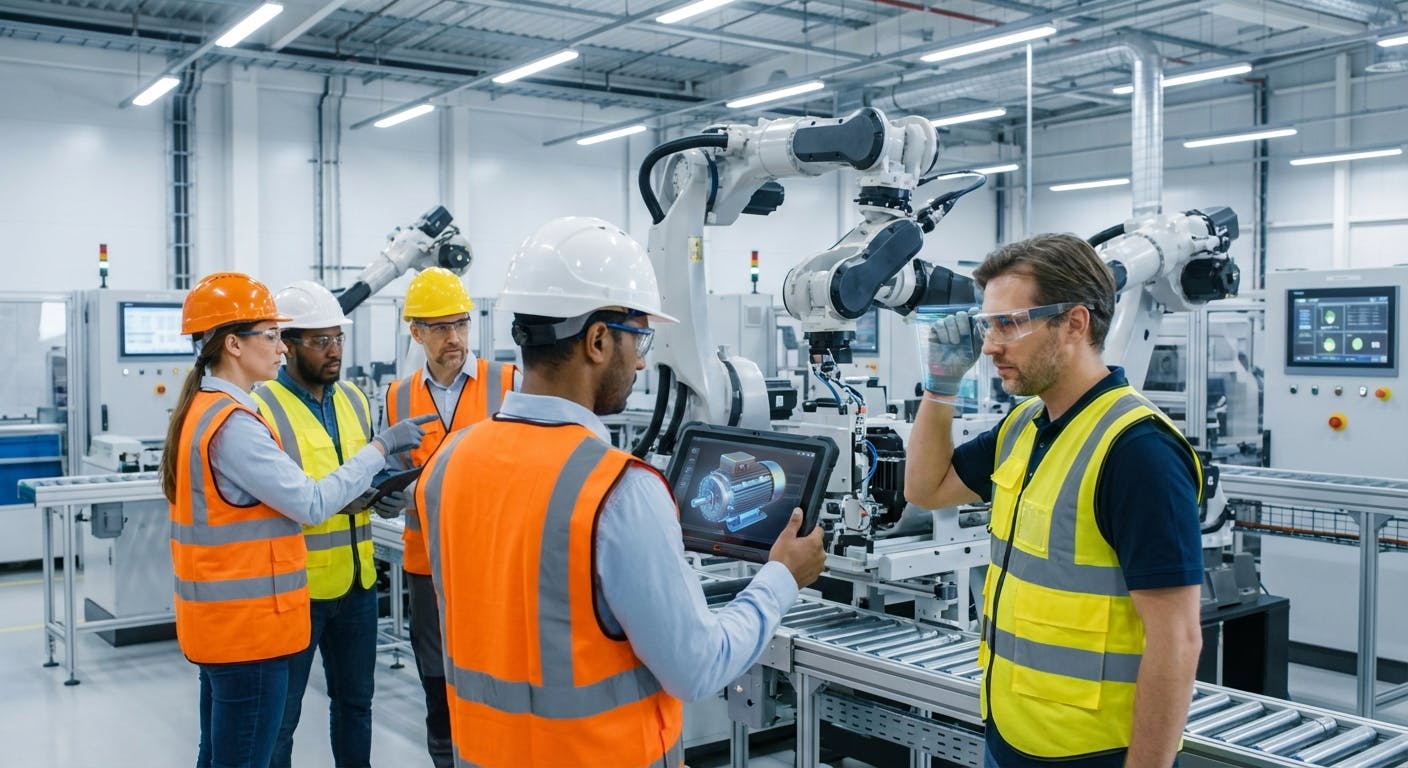
Augmentation is the strategic process of enhancing an organization’s existing capabilities through the integration of supplemental technology, external expertise, or advanced data systems. In industrial environments, it represents the shift from static operations to a dynamic model where human labor is bolstered by digital intelligence and specialized resources to drive higher reliability and output.
The Industrial Context of Augmentation
In the landscape of 2026, augmentation has evolved from a simple dictionary term into a comprehensive operational framework. For maintenance managers and facility operators, the "augmentation definition" encompasses two primary pillars: workforce scaling and technological enhancement. As the industrial sector faces a persistent skill gap, staff augmentation allows firms to bring in specialized technicians or reliability engineers on a flexible basis to manage complex projects without the overhead of permanent hires. This ensures that critical maintenance windows are met and that specialized assets receive expert care.
Beyond personnel, technological augmentation involves the use of Industrial IoT (IIoT) and Artificial Intelligence to "augment" the decision-making process. Rather than relying solely on manual inspections, operators use AI-driven predictive maintenance to identify sub-perceptual signs of equipment failure. This does not replace the human element; instead, it provides the technician with superior data, allowing them to focus their efforts on high-value repairs rather than routine checks. This synergy between human intuition and machine precision is the hallmark of modern manufacturing AI software implementations.
Strategic Operational Growth
Adopting an augmentation mindset allows facilities to transition from reactive "run-to-failure" models toward Reliability-Centered Maintenance (RCM). By augmenting internal teams with CMMS software, organizations can automate work order triggers and inventory tracking, effectively augmenting the administrative capacity of the maintenance department. This leads to improved asset lifecycle management and a significant reduction in unplanned downtime.
Furthermore, augmentation serves as a bridge for skill gap mitigation. When a facility integrates asset management tools, it captures institutional knowledge that might otherwise be lost to workforce turnover. New hires are augmented by historical data and prescriptive workflows, allowing them to perform at the level of a veteran technician in a shorter timeframe. According to the National Institute of Standards and Technology (NIST), the integration of these "smart" systems is essential for the future of competitive manufacturing.
Learn more
To deepen your understanding of how augmentation can transform your facility's reliability and efficiency, explore the following resources:
- AI-driven predictive maintenance: Learn how machine learning augments human decision-making to prevent asset failure.
- CMMS software: A guide to augmenting your administrative workflows and work order management.
- Manufacturing AI software: Discover how to scale your operations using advanced digital intelligence.
- Asset management strategies: Explore how to augment the lifecycle of your critical machinery through data-driven insights.
