
What Is Automated? Definition and Industrial Application
Feb 23, 2026
define automated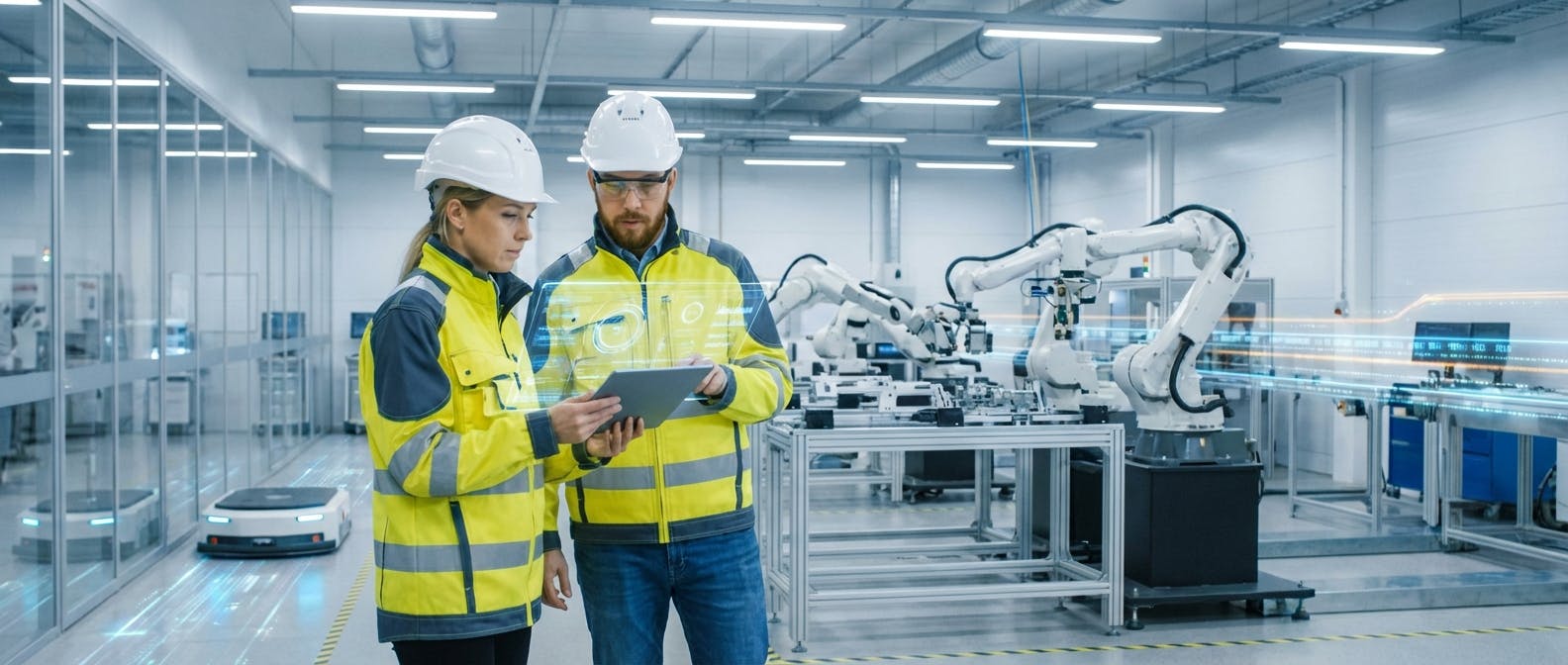
Automated refers to the use of technology, software, or mechanical systems to perform tasks or control processes with minimal human intervention. In an industrial context, an automated system relies on pre-programmed logic, real-time data inputs, and feedback loops to execute workflows that would otherwise require manual labor or constant supervision.
The Automation Maturity Model
In the modern industrial landscape of 2026, "automated" is rarely a binary state; instead, it exists on a spectrum known as the Maturity Model. Understanding where a facility sits on this spectrum is critical for maintenance managers and facility operators looking to optimize their asset lifecycle management.
- Manual: Processes are driven by human action, such as paper-based work orders or manual inspections.
- Digital: Data is recorded electronically, but actions still require human initiation (e.g., a technician logging a fault in a database).
- Automated: Systems use "if-then" logic to trigger actions. For example, when a sensor detects high vibration, the system automatically generates a work order.
- Autonomous: The highest level, where machine learning algorithms and AI analyze complex datasets to predict failures and adjust operating parameters in real-time without human prompts.
Why Automation Matters in Maintenance
Automation is the backbone of high-reliability organizations. By removing the "human element" from repetitive data collection and routine triggers, facilities reduce the risk of oversight and administrative lag. In maintenance, this is most commonly seen through the integration of Programmable Logic Controllers (PLC) and SCADA systems with a centralized management platform.
When a process is automated, the "Trigger-to-Action" window shrinks significantly. Instead of waiting for a weekly inspection to find a leak, an automated moisture sensor communicates directly with a CMMS software platform to alert the team instantly. This transition from reactive to proactive is what defines a modern, competitive manufacturing environment. According to standards defined by the National Institute of Standards and Technology (NIST), automation not only increases efficiency but also enhances safety by removing personnel from hazardous environments during routine monitoring.
Key Components of Automated Systems
To define a process as truly automated, it generally requires three core components:
- Sensors (The Eyes): Devices that monitor physical conditions like temperature, pressure, or vibration.
- Logic/Software (The Brain): The rules-based engine or AI that interprets sensor data against established thresholds.
- Actuators/Workflows (The Hands): The physical or digital response, such as shutting down a motor or dispatching a technician via work order software.
Related Terms
Condition-Based Maintenance (CBM)
CBM is a maintenance strategy that monitors the actual condition of an asset to decide what maintenance needs to be done. It is a primary use case for automation, as it relies on automated data triggers rather than fixed calendar schedules.
IIoT (Industrial Internet of Things)
The IIoT refers to the network of interconnected sensors and instruments used in industrial applications. It provides the connectivity layer that allows machines to "talk" to software, making large-scale automation possible.
Learn more
To further explore how automation transforms industrial operations, review these in-depth guides:
- AI-Driven Predictive Maintenance: Explore how machine learning takes automation to the autonomous level.
- Manufacturing AI Software: A deep dive into integrating intelligent automation across the factory floor.
- Work Order Software: Learn how to automate the dispatching and tracking of maintenance tasks.
- CMMS Software Guide: The foundational platform for managing automated maintenance workflows.
