
Maintenance Call-Out Definition
Feb 19, 2026
call out definition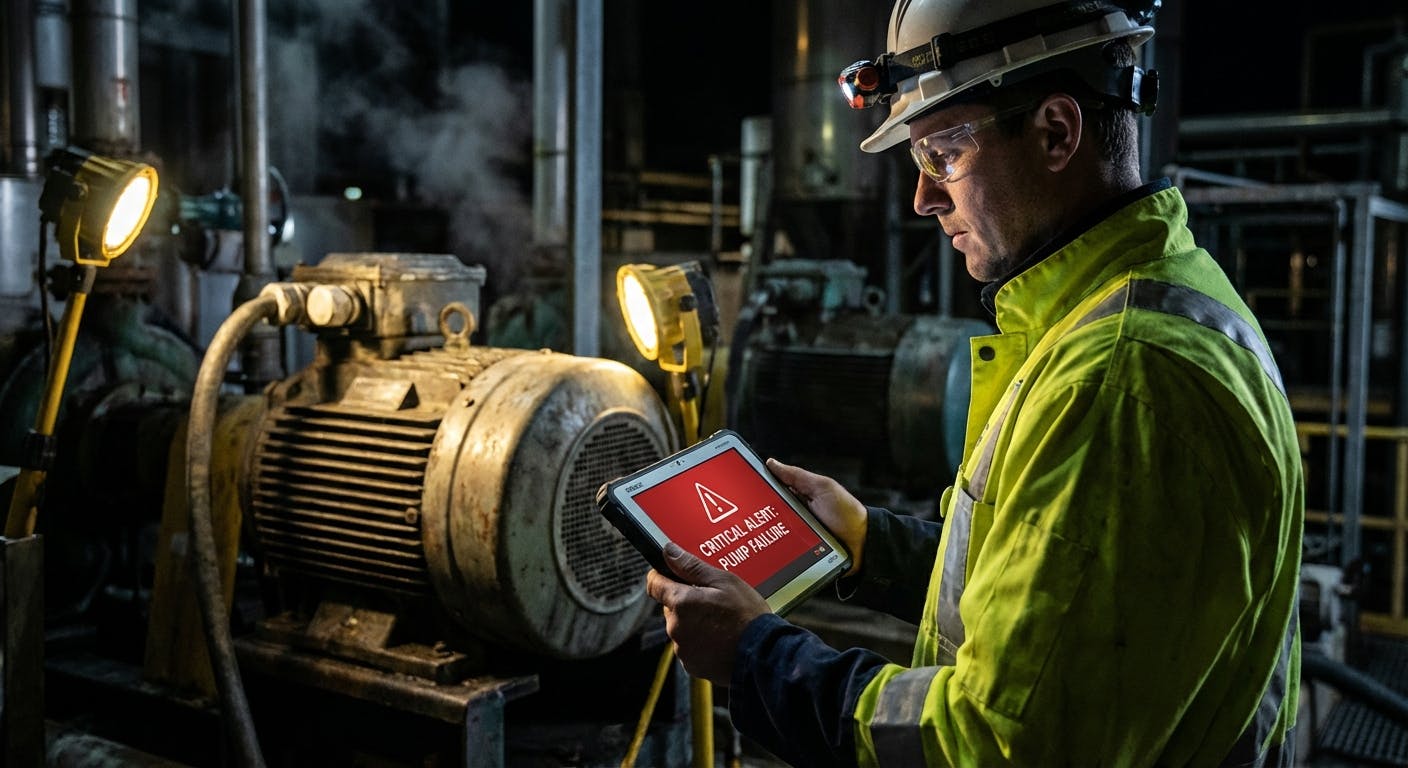
In an industrial or facility management context, a call-out is an unscheduled request for a technician or specialist to return to a worksite or respond to a critical equipment failure outside of their standard working hours. This process is a core component of reactive maintenance, triggered when an asset failure is deemed too critical to wait for the next scheduled shift.
The Role of Call-Outs in Modern Industry
In 2026, the call-out remains a vital, albeit expensive, necessity for maintaining high availability. When a "criticality analysis" identifies a machine as essential to production, any unscheduled downtime necessitates an immediate response. The call-out process typically begins with an automated alert from a CMMS software or a manual report from a floor supervisor. Once the alert is validated, the on-call technician is notified to perform emergency repairs.
The efficiency of a call-out is measured by the Mean Time to Repair (MTTR). Because call-outs involve travel time and potential delays in technician availability, they often represent the highest cost-per-hour of any maintenance activity. Beyond the immediate labor costs, organizations must account for "standby pay" (compensation for being available to work) and "call-in pay minimums" (a guaranteed number of paid hours regardless of the actual repair duration).
Standard Operating Procedures (SOP) for Call-Outs
To manage these costs and ensure technician safety, industrial leaders implement a formal Call-Out Policy. An effective SOP includes:
- Response Time Requirements: The maximum allowable time between the notification and the technician arriving on-site.
- Escalation Protocols: A clear hierarchy of who to contact if the primary on-call technician is unavailable.
- Safety Protocols: Ensuring that technicians responding to late-night emergencies are not suffering from fatigue and are following all LOTO (Lockout/Tagout) procedures.
- Documentation: Every call-out must be logged via work order software to track the root cause of the failure and the total cost of the intervention.
By analyzing call-out frequency, maintenance managers can identify patterns of "reactive maintenance" that suggest a need for more robust preventive maintenance procedures. Reducing the number of call-outs is a primary KPI for reliability engineering, as it directly correlates to lower operational expenditure and improved employee work-life balance.
Related Terms
On-Call Rotation
A scheduled period during which specific maintenance personnel are required to be available to respond to call-outs. This is usually managed through a digital calendar integrated with the facility's asset management system.
Standby Pay
A specific hourly rate or flat fee paid to employees for the time they spend "on-call," acknowledging the restriction on their personal time even if no call-out occurs.
Learn more
To optimize your emergency response and reduce unscheduled downtime, explore these in-depth resources:
- Streamline your emergency response with mobile CMMS tools.
- Learn how to transition from reactive call-outs to preventive maintenance procedures.
- Track and manage emergency labor costs using specialized work order software.
- Centralize your maintenance response strategy through a comprehensive CMMS software platform.
